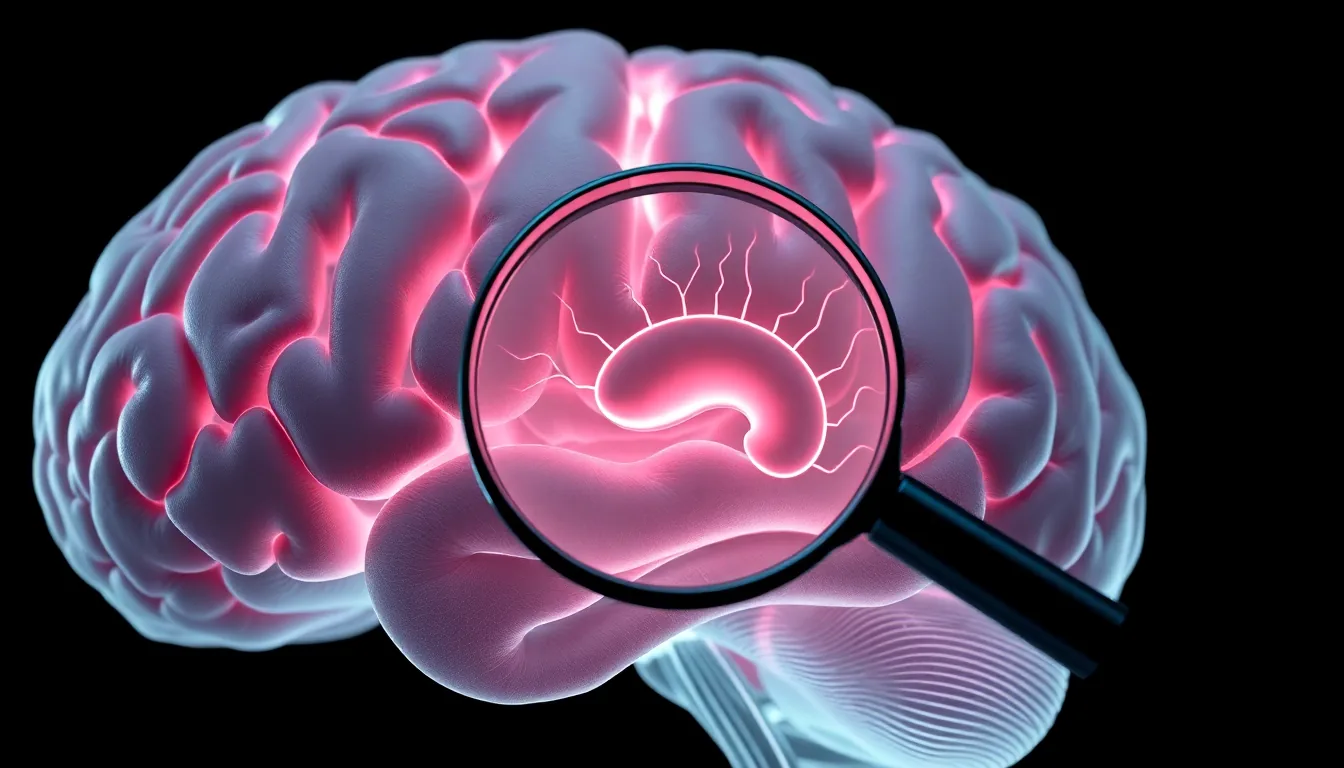
A new EEG study reveals that the human brain processes different sentence structures — like transitive or ditransitive — using distinct neural signatures that closely mirror patterns found in AI language models. This suggests that both biological and artificial learning systems converge on similar ways to represent linguistic constructions.
The Research
Researchers from the University of Erlangen-Nuremberg (Pegah Ramezani, Thomas Kinfe, Andreas Maier, Achim Schilling, Patrick Krauss) tested 10 native English speakers as they listened to 200 synthetically generated sentences across four construction types: transitive (e.g., "The boy kicked the ball"), ditransitive ("She gave him a book"), caused-motion ("They pushed the cart into the garage"), and resultative ("He painted the wall blue"). Using EEG, the team recorded neural responses and applied time-frequency analysis, feature extraction, and machine learning classification.
The results showed construction-specific neural signals emerging primarily at sentence-final positions, where the full argument structure becomes clear. The strongest differentiation occurred in the alpha brainwave band. Pairwise classification reliably distinguished between ditransitive and resultative constructions, while other pairs showed more overlap. Critically, the temporal emergence and similarity patterns matched those previously seen in recurrent and transformer-based language models, where construction representations arise during integrative processing stages.
Why It Matters
These findings support Construction Grammar theory, which proposes that language is built from learned form-meaning pairings. They also suggest that both human brains and AI systems discover stable representations within a shared 'representational landscape' — a concept sometimes called a Platonic representational space. This convergence hints that certain cognitive abstractions may be universal across learning systems. For anyone interested in how their own brain processes language, this research reinforces the idea that your mind actively constructs meaning from sentence structures, and that these processes can be studied and potentially enhanced through targeted training.
What You Can Do
To sharpen your linguistic processing, try reading complex sentences aloud and summarizing them in your own words. Practice identifying different sentence constructions in everyday speech. Language learning and puzzles like crosswords or anagrams may also help strengthen the neural pathways involved in parsing grammatical structures.
Source: arXiv q-bio.NC
Curious about your own brain? Take our free adaptive IQ test or try 306 brain training levels.