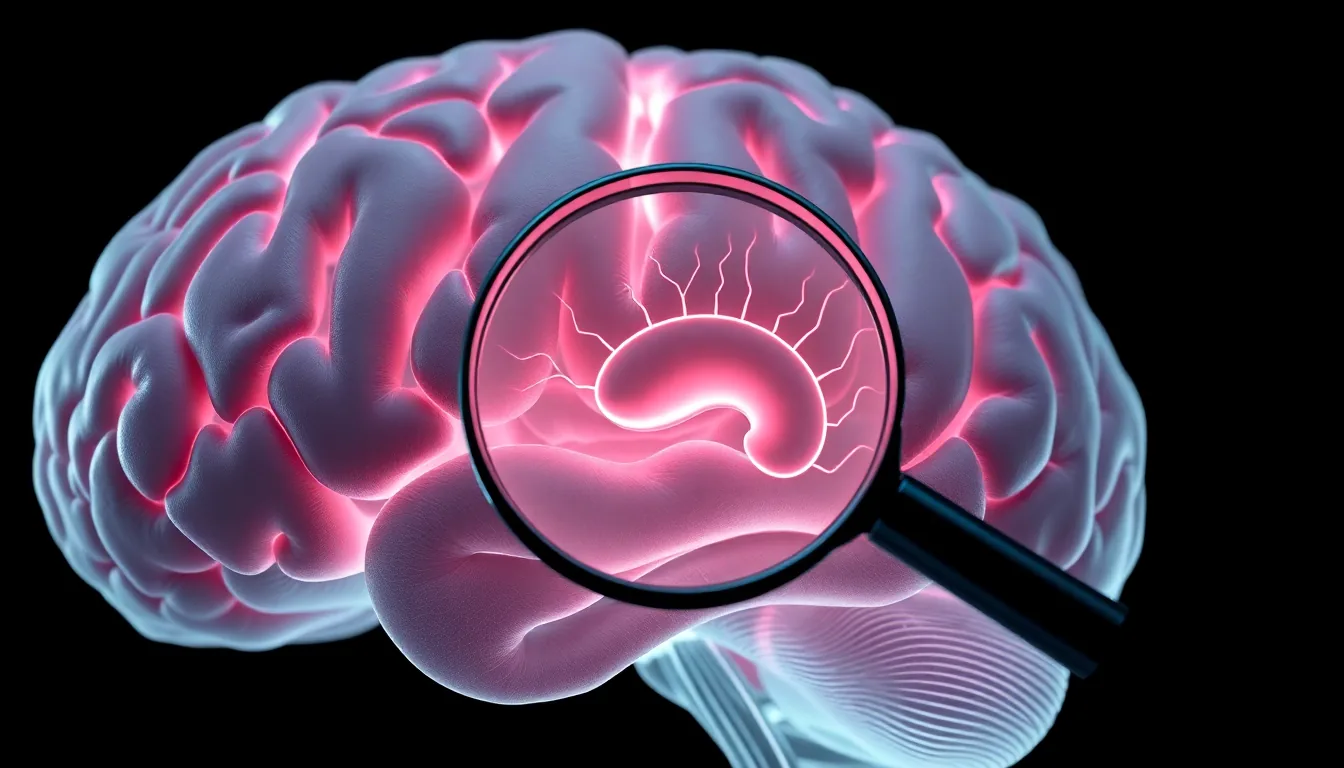
A large multi-site study reveals that adolescents and young adults who use both cannabis and tobacco face nearly three times the risk of developing a full psychotic disorder — such as schizophrenia — compared to those who use neither or only one substance. The finding comes from an analysis of over 1,000 participants in the North American Prodrome Longitudinal Study, published in Nature Mental Health.
The Research
Researchers led by Heather Ward, MD, assistant professor of Psychiatry and Behavioral Sciences at Vanderbilt University, tracked 734 individuals at clinical high risk for psychosis and 278 healthy controls over two years. They assessed patterns of substance use — tobacco only, cannabis only, co-use of both, other substances, or none — and measured psychiatric symptoms and psychosis transition rates.
The data showed that while both cannabis and tobacco independently worsen short-term symptoms like anxiety and depression, the long-term effect of co-use was dramatically worse: a nearly threefold increase in the risk of transitioning to a full psychotic disorder. Biologically, smoking tobacco and cannabis together increases the body's absorption of THC, the main psychoactive compound in cannabis, potentially amplifying its impact on brain chemistry.
“The prevalence of cannabis and tobacco co-use has been rising in the general population,” said Ward. “Yet little is known about its effects in adolescents at risk for psychosis.” The study also notes that among people with established psychosis, tobacco use is linked to a 20-year reduction in life expectancy due to cardiovascular disease and cancers.
Why It Matters
If you or someone you know is already experiencing mild psychotic symptoms — such as unusual thoughts or perceptual changes — combining cannabis and tobacco may accelerate the progression to a full-blown disorder. The synergistic effect means that even occasional co-use could have outsized consequences for brain health. Understanding this risk allows individuals to make informed choices about substance use, especially during the vulnerable adolescent and young adult years.
What You Can Do
- If you use cannabis or tobacco, consider avoiding co-use. Even reducing one substance may lower your risk.
- If you have a family history of psychosis, talk to a healthcare provider about substance use and early warning signs.
- Monitor your mental health — track changes in mood, thinking, or perception — and seek help if symptoms emerge.
Source: Neuroscience News
Curious about your own brain? Take our free adaptive IQ test or try 306 brain training levels.