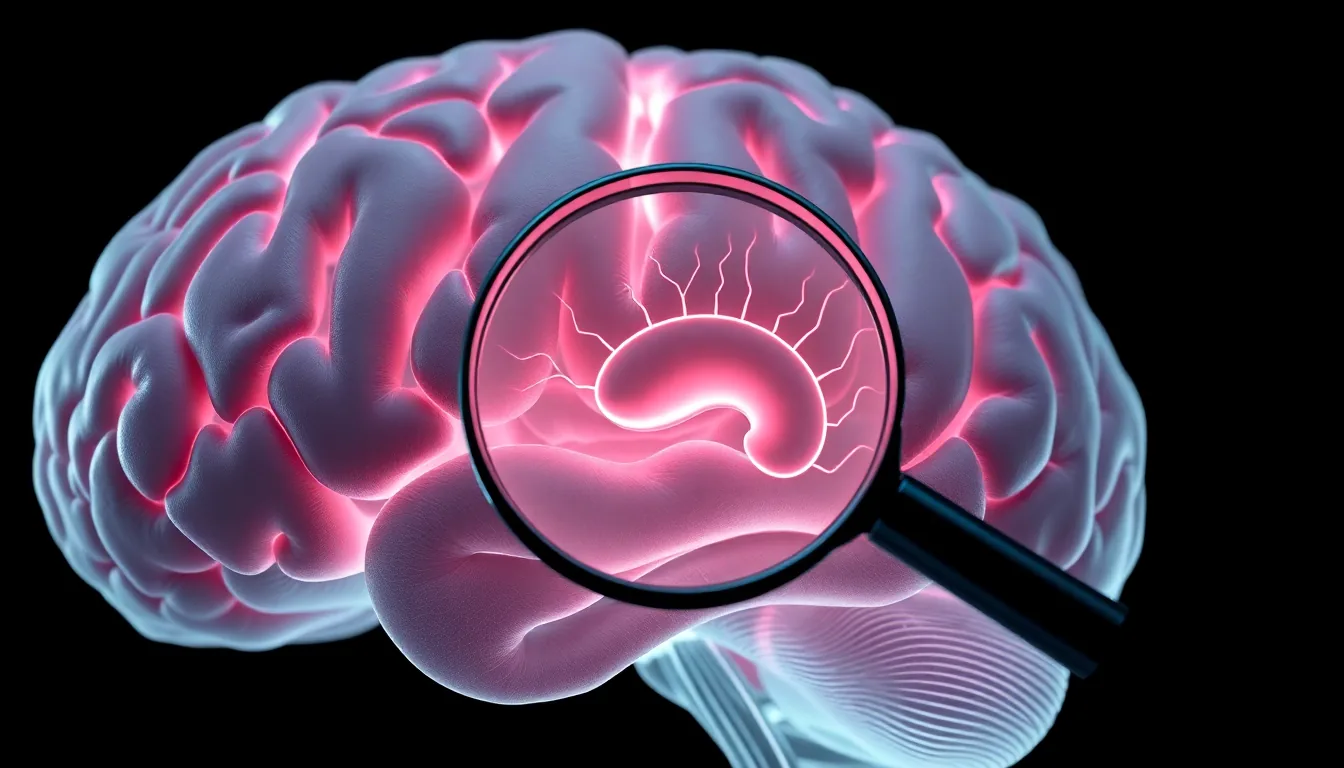
A new computational model demonstrates that grid cells and place cells—two key brain cells for navigation—can emerge together from a single learning goal: predicting the next sensory observation. The study, led by Zhaoze Wang at the University of Pennsylvania and published on arXiv in May 2026, introduces a recurrent neural network that follows Dale's Law (each neuron is either excitatory or inhibitory) and is trained solely to predict upcoming sensory input from masked past observations and self-motion.
How the model works
The researchers trained their network across 1,000 different configurations, varying sensory noise and masking levels. Without any explicit teaching of spatial codes, the network spontaneously developed both grid-like firing patterns (regular hexagonal arrays) and place fields (location-specific firing). This is the first single-objective model to produce both cell types without pre-existing spatial representations or separate training.
The balance between grid and place cells was controlled by two factors: sensory noise (more noise increased place fields) and sensory masking (more masking favored grid cells). The model also reproduced several experimental phenomena without retraining, including grid fragmentation in hairpin mazes, grid merging after wall removal, lattice alignment across connected rooms, and locally ordered 3D fields seen in bats. Notably, it replicated the developmental order where place cells appear before grid cells.
Why it matters for your brain
This research suggests that spatial navigation cells may arise from a fundamental cognitive pressure: predicting what sensory information you'll encounter next. This same principle underlies many cognitive skills, from route planning to memory recall. Understanding that prediction is a core driver of brain organization can help you appreciate why spatial tasks—like navigating a new city or playing strategy games—engage your hippocampus and entorhinal cortex so deeply.
For anyone interested in cognitive improvement, this study highlights the brain's remarkable ability to extract structure from experience. The finding that a single prediction objective can generate complex spatial codes implies that training on predictive tasks (like mental rotation, spatial reasoning, or even certain video games) might strengthen the same neural circuits involved in navigation.
What you can do
To support your spatial memory and navigation abilities, engage in activities that demand prediction and spatial awareness: try solving puzzles like mazes, practice memorizing routes, or play games that require you to anticipate movements (e.g., first-person shooters or strategy games). Regular aerobic exercise also boosts hippocampal function and may enhance grid cell activity.
Source: arXiv q-bio.NC
Curious about your own brain? Take our free adaptive IQ test or try 306 brain training levels.