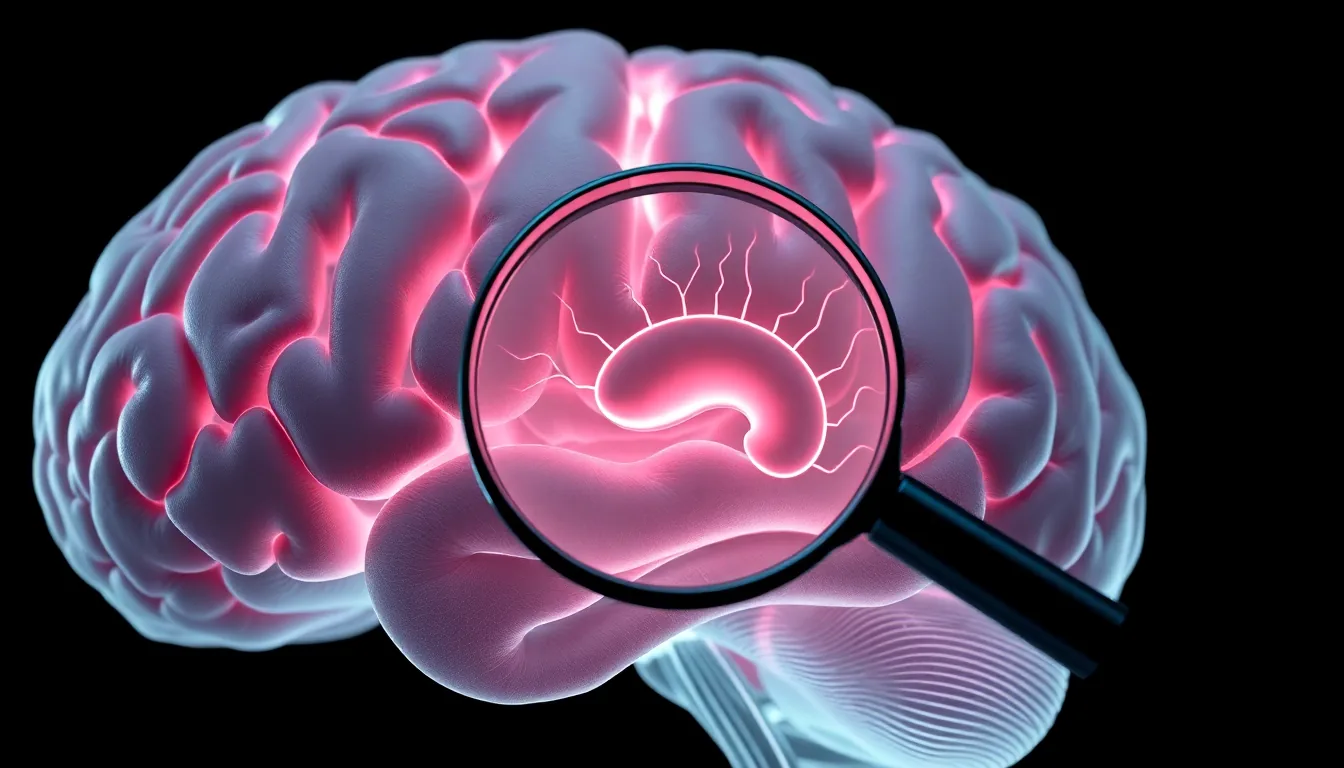
New research shows that breathing low levels of everyday air pollution—well within international clean air standards—may silently damage your brain long before memory problems appear. A study of nearly 7,000 middle-aged adults across five Canadian provinces found that long-term exposure to fine particulate matter (PM2.5) and nitrogen dioxide (NO2) is linked to worse performance on tests of memory, comprehension, and mental processing speed. Higher traffic-related pollution was also associated with small but visible structural brain damage on MRI scans, especially in women.
The Research
Published in Stroke on May 13, 2026, the study used data from the Canadian Alliance for Healthy Hearts and Minds (CAHHM). Researchers led by Sandi Azab and Russell de Souza at McMaster University analyzed multi-year air pollution exposure for 6,878 adults aged 45–85. They compared participants' average neighborhood pollution levels against cognitive test scores and brain MRIs. Even after adjusting for heart-health risk factors like high blood pressure, diabetes, and body fat, the negative link between air quality and brain health remained, suggesting pollution directly affects the central nervous system. Notably, Canada has some of the lowest average air pollution levels globally, demonstrating that damage occurs even at low exposure.
Why It Matters
These findings matter because dementia develops over decades. Identifying early, modifiable risk factors is critical for protecting brain health later in life. The study adds to growing evidence that air quality may influence age-related cognitive decline. If low-level pollution harms cognition, then cleaning our air further could be a powerful public health strategy to preserve brain function.
What You Can Do
- Consider using an air purifier with a HEPA filter in your home, especially in bedrooms.
- Limit time spent near heavy traffic; choose walking routes away from busy roads.
- Stay indoors on high-pollution days (check local air quality indexes).
- Support policies that reduce vehicle emissions and industrial pollution.
Source: Neuroscience News
Curious about your own brain? Take our free adaptive IQ test or try 306 brain training levels.