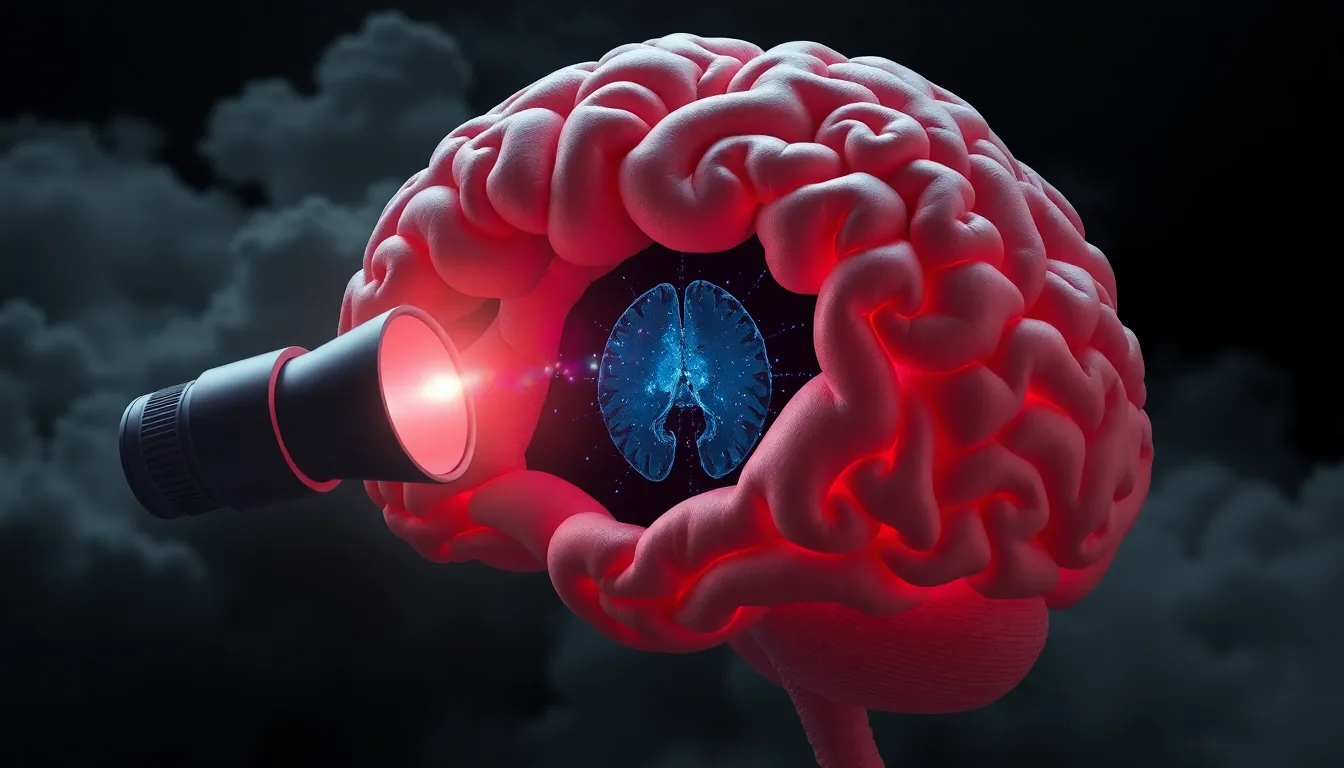
A new study from the University of Pittsburgh School of Medicine has overturned a long-standing theory about teenage risk-taking. Instead of being driven by too much dopamine, adolescent substance experimentation—with alcohol, cannabis, or nicotine—may actually be a compensatory response to a sluggish dopamine system.
The Research
Published in Nature Communications, the study analyzed data from over 800 participants tracked across nine years as part of the National Consortium on Alcohol and Neurodevelopment in Adolescence (NCANDA-A). Lead author Ashley Parr and her team used a non-invasive brain-iron imaging proxy to safely measure dopamine levels in the basal ganglia over time.
They identified a distinct “youth peak” cohort: teenagers with the lowest baseline dopamine who began experimenting with substances early. Critically, the brain scans were taken before any substance use began, proving that low dopamine is a precursor—not a consequence. As these teens aged into their mid-twenties, their dopamine levels naturally rose, and their substance use dropped off sharply without intervention.
Why It Matters
For decades, scientists believed that a hyperactive reward system drove teenage risk-taking. This study flips that model. It suggests that for some teens, risky behavior is an involuntary attempt to “jump-start” an under-stimulated brain. This reframing could help researchers identify which teens might benefit from extra support during a critical developmental window. It also aligns with the observation that global youth substance use has declined while social media use has soared—digital environments may serve as a modern alternative reward channel for low-dopamine brains.
What You Can Do
Because risk-taking is a hardwired part of development, Dr. Beatriz Luna advises parents not to try to eliminate it but to steer it toward positive outlets. Encourage high-reward activities like competitive sports, creative arts, or team projects that provide natural dopamine boosts. Understanding that most teen experimentation is self-limiting can also reduce unnecessary alarm.
Source: Neuroscience News
Curious about your own brain? Take our free adaptive IQ test or try 306 brain training levels.