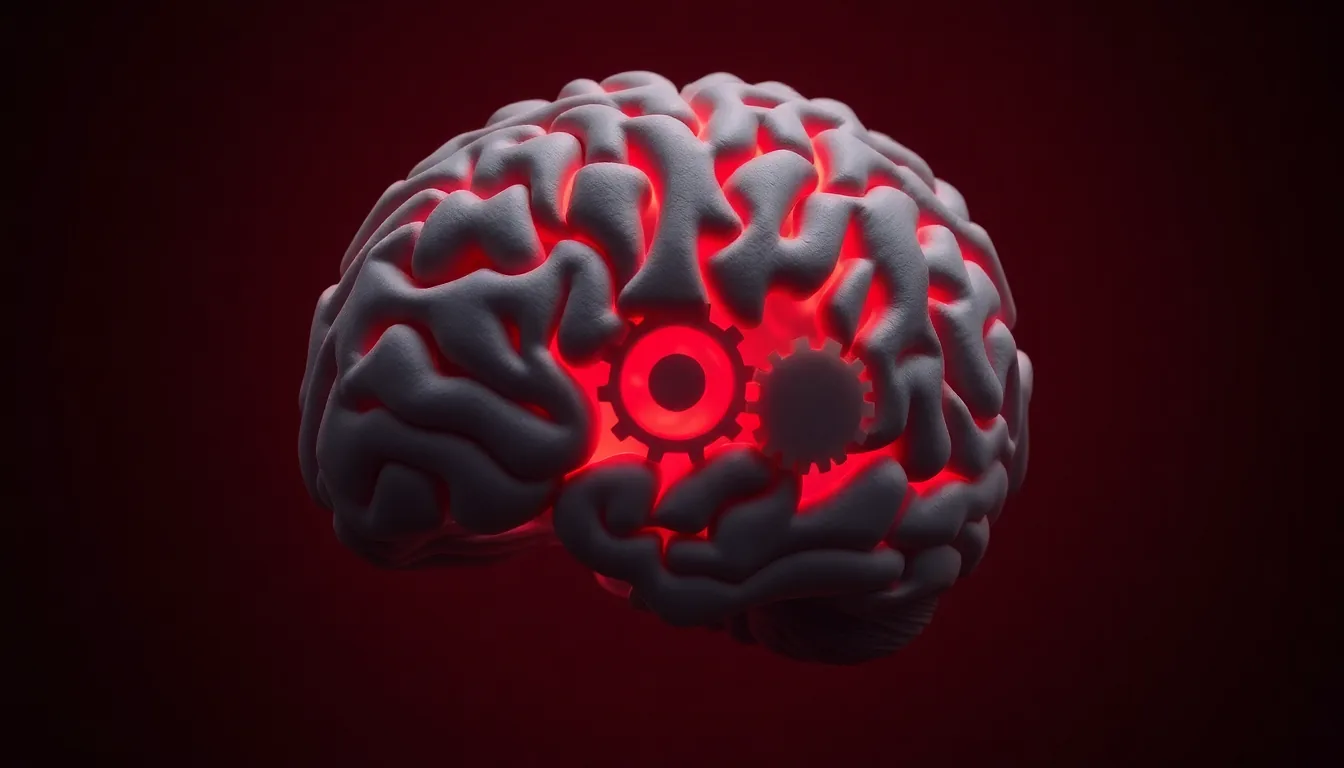
Watching television very often in midlife may be linked to troubling brain changes decades later, a new study suggests. Researchers found that adults who reported watching TV frequently in their 50s later showed smaller brain regions involved in memory, decision-making, and visual processing, along with more signs of white matter damage. Surprisingly, sitting itself was not the main issue — people with mentally engaging seated jobs often had healthier brains.
The Research
Led by David Raichlen, professor of biological sciences and anthropology at the University of Southern California (USC), the study analyzed data from about 1,700 adults with an average age of 53 from the Atherosclerosis Risk in Communities (ARIC) Study. Participants reported their television viewing frequency between 1987 and 1989. More than 20 years later, they received brain MRI scans. Compared to those who rarely watched TV, frequent viewers had smaller frontal and occipital lobes — which handle planning, decision-making, and visual processing — and greater volumes of white matter hyperintensities, signs of small blood vessel disease linked to cognitive decline. These differences persisted after adjusting for physical activity, diabetes, BMI, smoking, and alcohol use. The study was published in Alzheimer's and Dementia: The Journal of the Alzheimer's Association.
One of the most striking findings was that not all sitting was equal. People who spent long hours sitting at mentally engaging jobs had larger frontal and occipital lobes and fewer white matter hyperintensities compared to heavy TV viewers. “Our findings suggest we should pay attention to what people are doing while sitting,” Raichlen said.
Why It Matters
This research suggests that passive, mentally inactive behaviors like TV watching may be more detrimental to long-term brain health than active sitting. The study did not prove cause and effect — TV habits were self-reported and no baseline MRI was done — but the large sample and long follow-up provide strong evidence for a link. The results highlight that what you do during downtime could shape your cognitive health in later years.
What You Can Do
While you don’t need to abandon TV entirely, consider balancing passive screen time with mentally active hobbies like reading, puzzles, or learning a new skill. Even during work, try to engage your brain rather than just going through the motions. Your future self may thank you.
Source: ScienceDaily Mind & Brain
Curious about your own brain? Take our free adaptive IQ test or try 306 brain training levels.