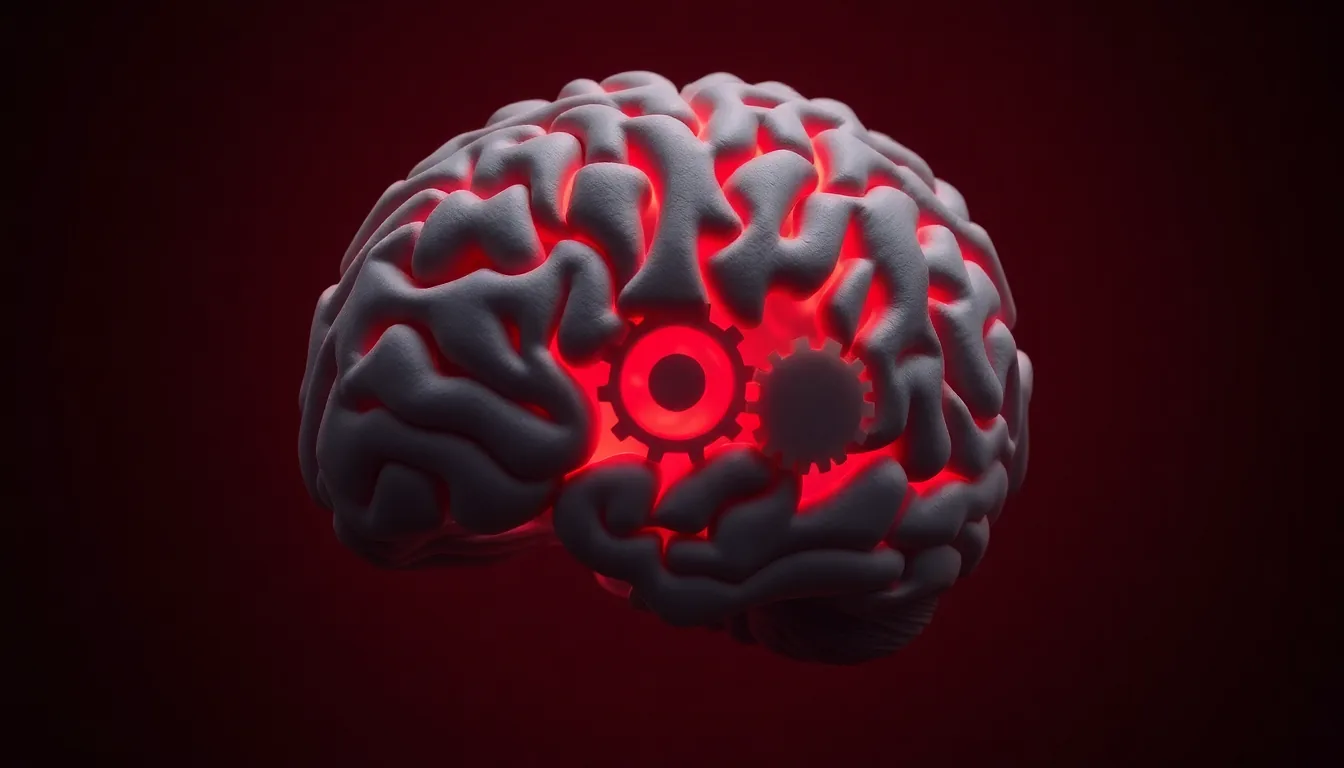
Digital media may not be destroying your ability to concentrate—but it might be changing your willingness to try. A new scientific framework from researchers at the University of Tartu, Estonia, proposes that constant exposure to low-effort rewards like infinite scrolling and notifications alters the brain's internal cost-benefit analysis of cognitive effort. This process, called effort recalibration, shifts our natural balance from deep task engagement (exploitation) toward perpetual novelty-seeking (exploration).
The Research: Effort Recalibration Explained
Led by Jaan Aru, Associate Professor of Computational Neuroscience and AI at the University of Tartu, the team published their framework in July 2026, drawing on decades of decision-making and neuroscience research. They argue that digital platforms are designed to provide immediate rewards for minimal effort, gradually training the brain to devalue slow-building rewards like those from studying or sustained reading.
The key insight is that digital media don't reduce raw attentional capacity—laboratory tests still show intact memory and focus. Instead, they change what the brain considers "worth it." The authors link this to two fundamental learning strategies: exploration (seeking new information) and exploitation (mastering existing knowledge). While both are necessary, complex skill acquisition requires prolonged exploitation. Digital environments bias the brain toward constant exploration, making sustained effort feel increasingly costly.
“The central idea is that repeated exposure to immediate, low-effort rewards may change how valuable our brain perceives cognitive effort to be,” said Aru.
Why It Matters for Your Brain
This framework explains a puzzling contradiction: people perform fine on short attention tests but struggle with deep reading or studying in real life. It's not that they can't focus—it's that their brain has recalibrated to prefer quick, easy rewards. Over time, this shift makes long-term mastery—like learning a language or mastering a profession—subjectively more taxing. For anyone trying to build durable knowledge, recognizing that your brain's "effort budget" may have been skewed by digital habits is the first step to regaining control.
What You Can Do
To recalibrate your effort valuation, try scheduling deep work blocks with no digital distractions. Start with 25-minute sessions and gradually increase. When you feel the urge to check your phone, pause and ask: "Is this task worth my effort?" Training your brain to tolerate slower rewards rebuilds its willingness to engage deeply.
Source: Neuroscience News
Curious about your own brain? Take our free adaptive IQ test or try 306 brain training levels.