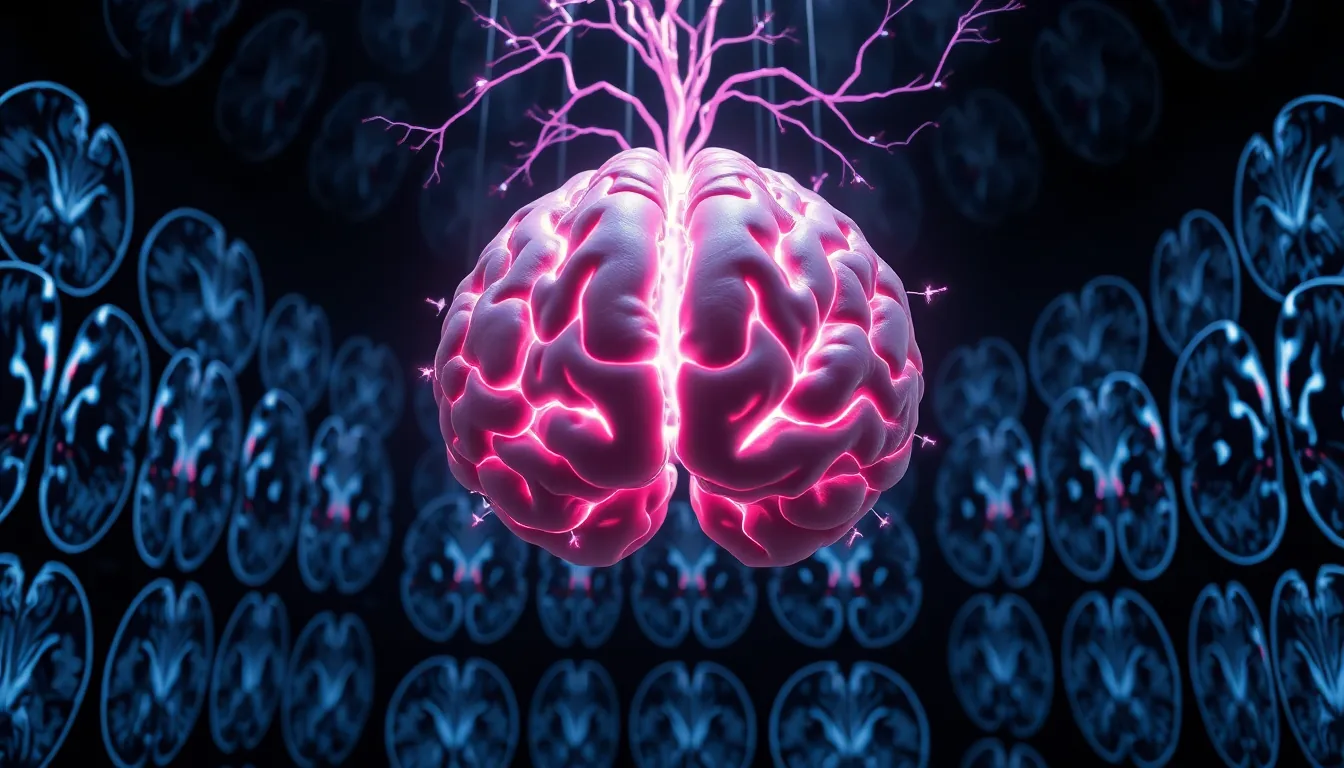
Scientists have uncovered a new pathway called karyoptosis that may finally explain how brain cells die in Alzheimer's disease and frontotemporal dementia (FTD). This discovery, published in Nature Communications, reveals a mechanism that could lead to treatments aimed at slowing neuron loss.
The Research
Researchers from King's College London, working with the UK Dementia Research Institute, analyzed 3,000 brain cells from 28 people with either FTD or end-stage Alzheimer's disease. Using computational algorithms, they identified different forms of cell death. They found signs of karyoptosis in 35 percent of cells from the frontal cortex of people with Alzheimer's disease, compared with just 15 percent of cells from healthy older adults.
Karyoptosis is a series of chemical reactions that occur when toxic proteins accumulate inside a cell. The cell's nucleus shrivels and ultimately breaks apart. The team also identified a key molecular pathway: the interaction between p38 MAP kinase and the protein LaminB1. In laboratory experiments using rat neurons, blocking this interaction reduced markers of karyoptosis.
Why It Matters
For decades, scientists have known that toxic proteins build up in Alzheimer's and FTD, but exactly how they lead to neuron death was unclear. This study provides a missing link. Understanding karyoptosis opens a new target for drugs that could slow or prevent brain cell loss.
What You Can Do
While this research is not yet ready for clinical application, maintaining brain health through regular cognitive stimulation, exercise, and a balanced diet is always beneficial. Tracking your cognitive abilities over time with tools like IQ tests can help you monitor changes and stay proactive about brain health.
Source: ScienceDaily Mind & Brain
Curious about your own brain? Take our free adaptive IQ test or try 306 brain training levels.