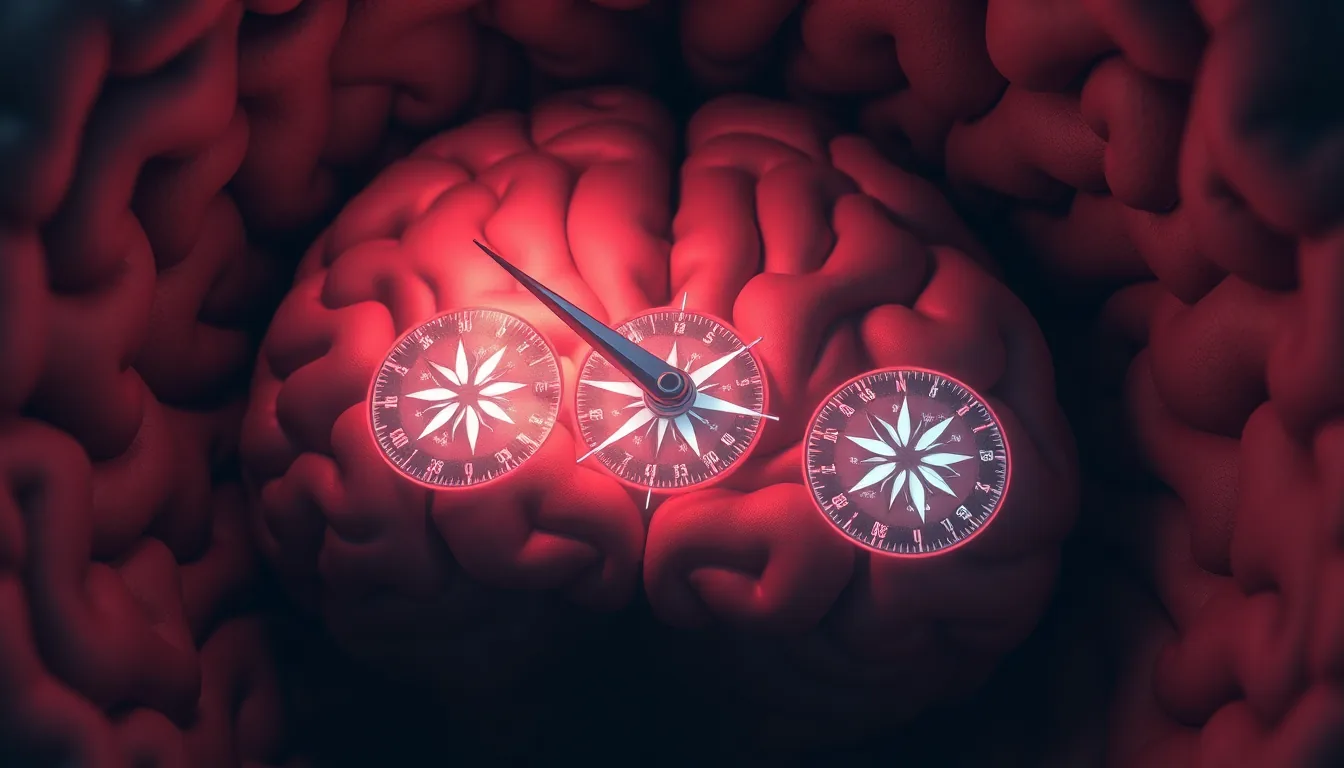
Drinking alcohol to cope with stress when you're young may permanently rewire your brain, making it harder to adapt to challenges later in life and increasing the risk of returning to drinking during stressful times, according to new research from the University of Massachusetts Amherst.
The Research
Scientists led by Elena Vazey, associate professor of biology at UMass Amherst, studied mice because their brain circuits closely resemble those in humans. The research, published in Alcohol Clinical and Experimental Research with support from the National Institute on Alcohol Abuse and Alcoholism, compared mice that drank heavily while under chronic stress with mice that drank lightly or were not stressed.
Results showed that the combination of alcohol and stress had a much greater impact than either factor alone. Mice exposed to both during early adulthood were more likely to resume drinking when stressed during middle age, even after long periods of complete abstinence. The study also found signs of brain damage associated with early dementia, particularly in a small brainstem region called the locus coeruleus (LC), which plays a key role in adaptive decision making.
In healthy brains, the LC activates during stress and then shuts off once the stress passes. But in mice exposed to both alcohol and chronic stress, the LC lost important molecular machinery that normally allows it to deactivate. This left the brain stuck in a stress-prone state, reducing cognitive flexibility—the ability to quickly adjust to changing situations.
Why It Matters
For people who used alcohol to cope with stress in their teens or twenties, these findings suggest that the brain may never fully return to baseline. The loss of cognitive flexibility resembles patterns seen in early stages of dementia and Alzheimer's disease. According to Vazey, middle age is when problems start to add up, and the alcohol-stress combination creates trouble adapting to change that can accelerate cognitive decline.
What You Can Do
- Seek healthier stress coping strategies such as exercise, mindfulness, or therapy, especially if you used alcohol to cope when younger.
- Monitor cognitive flexibility by challenging your brain with new skills, puzzles, or learning activities—these can help maintain neural adaptability.
- Talk to a doctor if you notice trouble adapting to change or increased stress-related drinking later in life.
Source: ScienceDaily Mind & Brain
Curious about your own brain? Take our free adaptive IQ test or try 306 brain training levels.