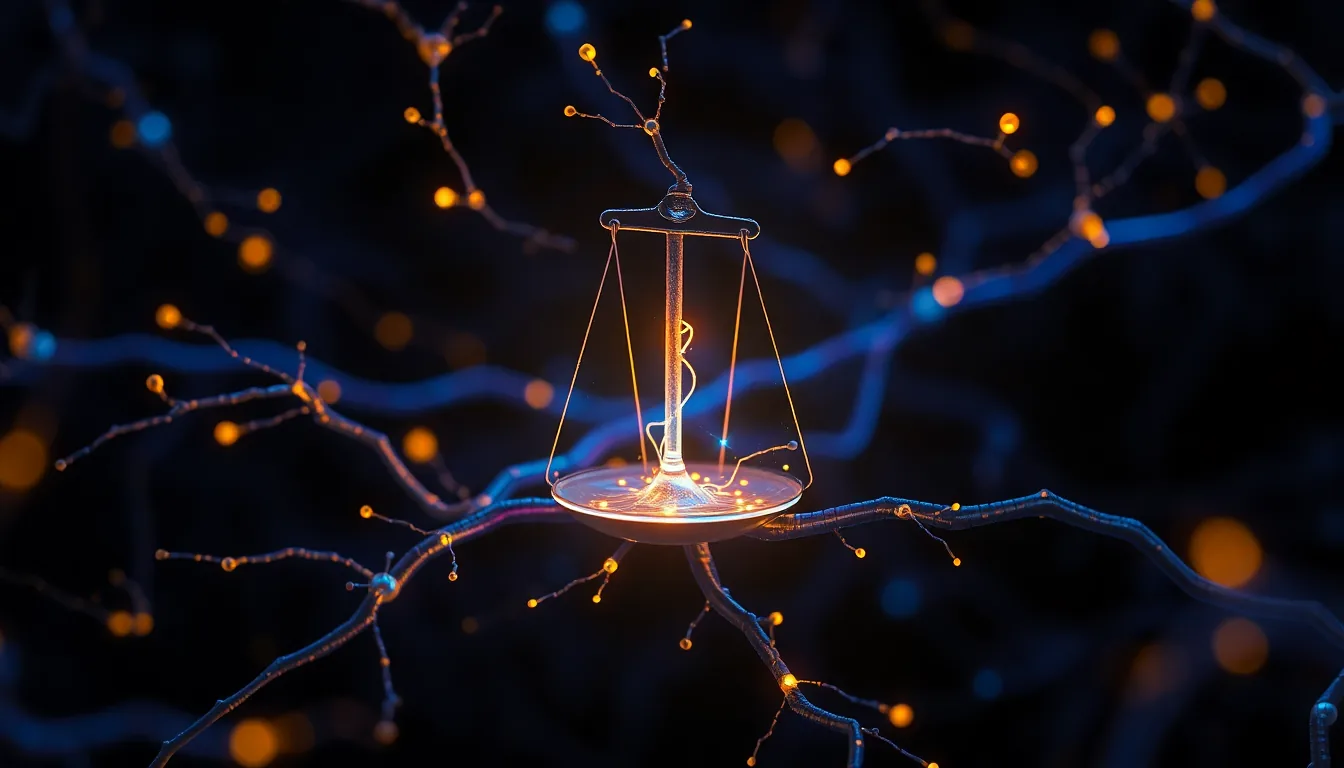
A team of neuroscientists in South Korea has discovered a specific “neural switch” that actively selects recent memories over past experiences. The finding, published by KAIST researchers, reveals how the brain maintains cognitive flexibility by deciding which memory to retrieve — and offers a potential target for treating Alzheimer’s disease and other dementias.
The Research
Led by Professor Jin-Hee Han of the Department of Biological Sciences at KAIST, the study identified a neural circuit connecting the medial septum (MS) to the medial entorhinal cortex (MEC). The medial septum acts like a memory “conductor,” regulating brain rhythms in the hippocampus. The entorhinal cortex, located just outside the hippocampus, processes and relays memory information.
The researchers used a technique called optogenetics, which allows them to turn specific neurons on or off with light, in mice. They found that when they artificially blocked the MS-MEC circuit, the mice could not use recent information and instead behaved according to past memories. Their hippocampal neural activity also shifted back to a past state. This proved that the circuit acts as an active switch for recent memory retrieval.
The study also highlighted the importance of brain rhythms. Efficient memory selection depended on maintaining theta waves (4–8 Hz), which are active during learning and concentration. When the brain shifted to delta waves (associated with sleep or offline states), the ability to retrieve recent memories degraded significantly.
Why It Matters
For people with dementia or cognitive decline, getting “stuck” in past memories is a common symptom. This research suggests that the problem may not be lost memories but an impaired ability to select newer ones. Understanding the septo-entorhinal switch opens new pathways for therapies — such as non-invasive brain stimulation or drugs that enhance theta rhythms — to help the brain prioritize current information.
For healthy individuals, the study underscores that memory retrieval is not passive. The brain actively evaluates competing memories and highlights the most recent data. This process is crucial for decision-making, problem-solving, and adapting to new situations.
What You Can Do
To support your brain’s natural memory-selection system, practice activities that promote theta waves: focused attention, meditation, and deep learning. Avoid excessive multitasking, which fragments your mental state and may hinder the brain’s ability to maintain the “online” theta rhythm needed for efficient memory retrieval.
Source: Neuroscience News
Curious about your own brain? Take our free adaptive IQ test or try 306 brain training levels.