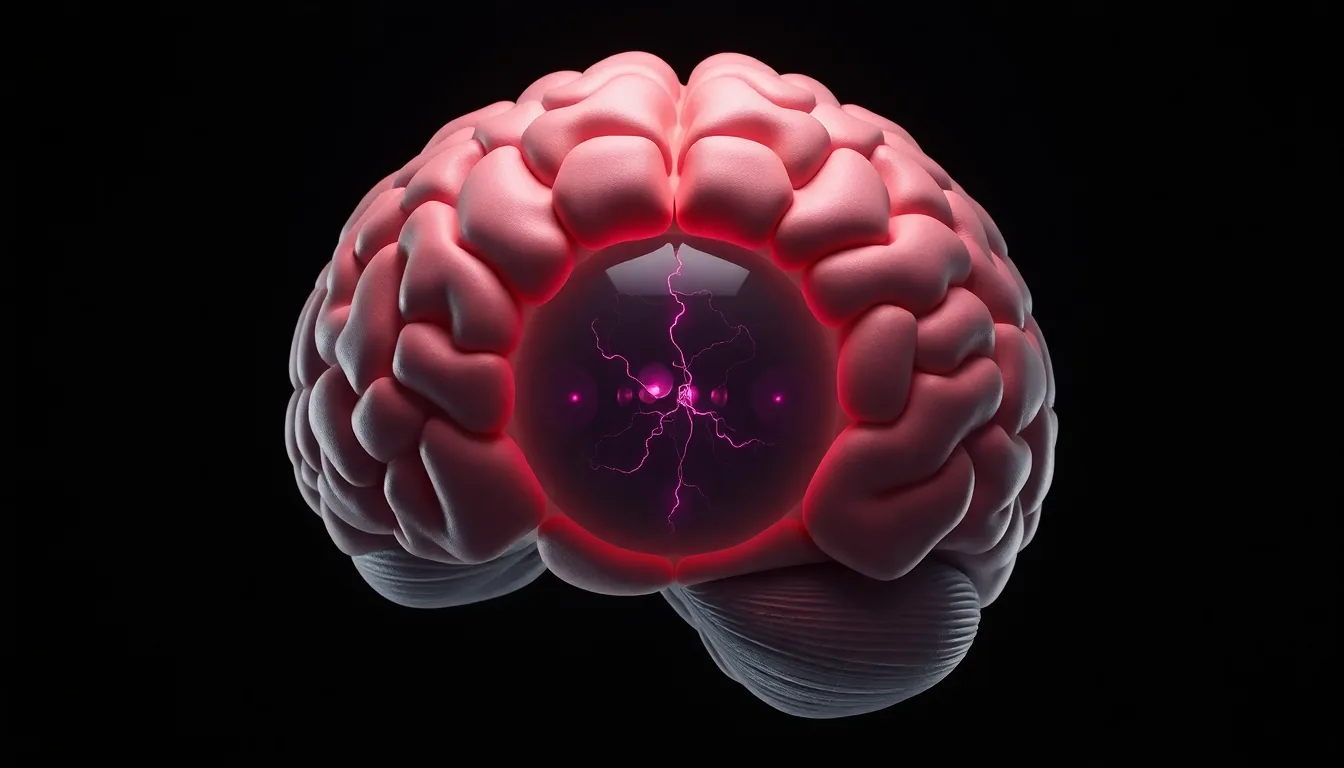
Scientists have discovered a new type of plaque in Alzheimer's disease that forms inside neurons, potentially earlier than the classic amyloid plaques, and may be a key target for early intervention.
The Research
A team at the University of Minnesota, led by Professor Paul Robbins and first author Xiuli Dan, published findings in Nature Neuroscience describing what they call 'mitochondrial plaques.' These structures are found within mitochondria of neurons in both preclinical models and human brain tissue from Alzheimer's patients.
Unlike traditional beta-amyloid plaques that accumulate outside cells, mitochondrial plaques are intracellular and contain high concentrations of amyloid precursor protein (APP). The researchers found that these plaques form independently of the classic plaques and may appear during the earliest, preclinical stages of the disease, potentially before beta-amyloid plaques develop.
As Alzheimer's progresses, mitochondrial plaques often colocalize with traditional plaques, suggesting they might act as seeds or catalysts for the extracellular amyloid pathology. The study was funded by the National Institute on Aging and includes grants U19 AG056278 and U54 AG079754.
Why It Matters
This discovery challenges the long-held focus on extracellular amyloid plaques as the primary driver of Alzheimer's. Mitochondrial plaques directly impair the energy-producing machinery inside neurons, which could cause damage earlier than previously thought. For anyone concerned about brain health, this opens a new avenue for understanding how Alzheimer's begins and how to intervene earlier.
While this is basic research, it highlights that the biochemistry of Alzheimer's is more complex than once believed. Future steps include developing biomarkers for mitochondrial plaques and screening for drugs that can prevent their accumulation.
What You Can Do
While there's no proven way to prevent Alzheimer's, you can support your brain health by staying physically active, eating a Mediterranean-style diet, and keeping your mind engaged with puzzles and learning. These habits may help build cognitive reserve, which could delay the onset of symptoms.
Source: Neuroscience News
Curious about your own brain? Take our free adaptive IQ test or try 306 brain training levels.