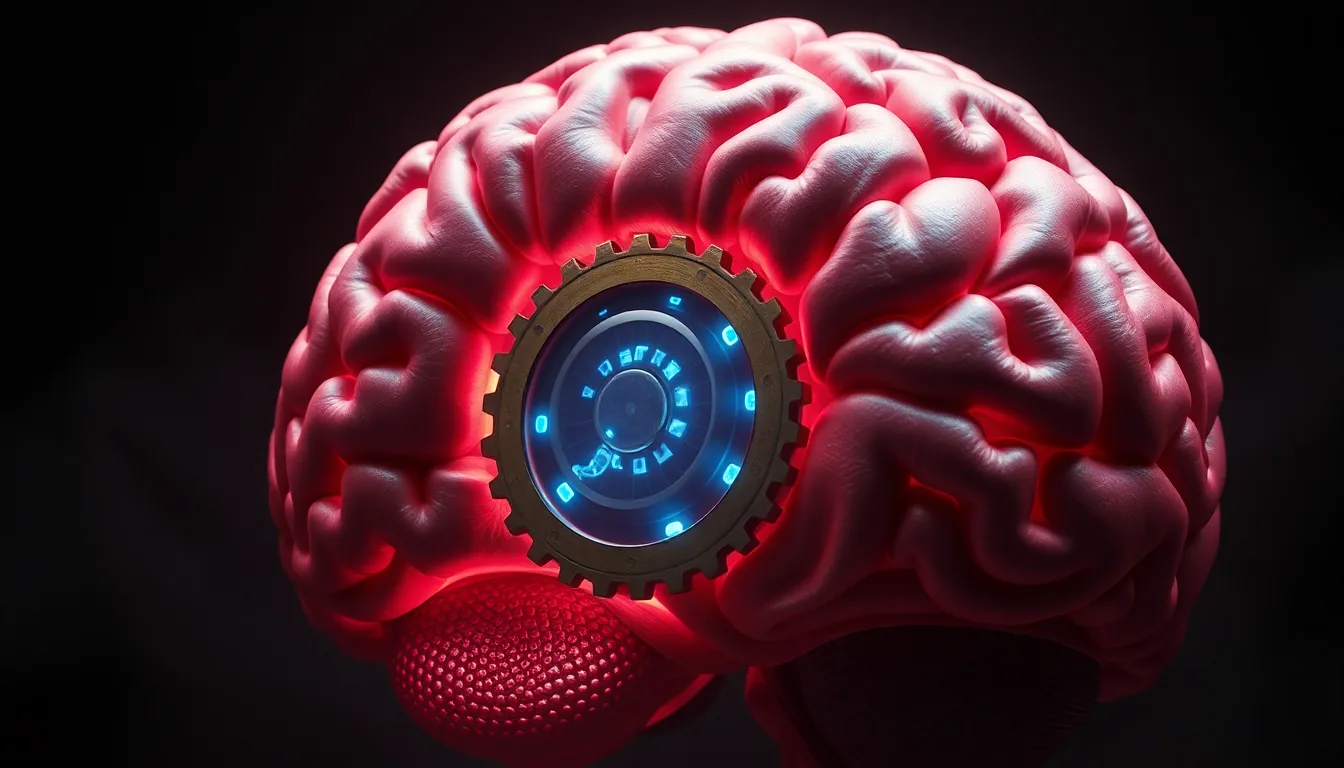
Deep brain stimulation (DBS) doesn't just electrically jolt the brain — it physically rebuilds the brain's white matter highways to reverse treatment-resistant depression, according to a landmark study from the Icahn School of Medicine at Mount Sinai.
The First Direct Evidence of DBS-Induced Structural Change
Published June 1, 2026 in Nature Neuroscience, the study co-led by Dr. Peter Rudebeck and Dr. Helen Mayberg targeted the subcallosal anterior cingulate cortex (SCC) — a brain region known to relieve depression when stimulated. Using a non-human primate model to avoid disease confounds, the team delivered high-frequency electrical impulses and then analyzed the tissue at microscopic and macroscale levels.
Key findings include:
- Increased fractional anisotropy (FA): A 20% rise in this MRI marker within the cingulum bundle indicates stronger white matter integrity.
- Enhanced myelination: The number of myelinated oligodendrocytes increased significantly, and the myelin sheaths themselves became thicker, improving signal transmission speed by up to 40% in computational models.
- Network-wide rewiring: Functional connectivity shifted away from the default mode network, which is hyperactive in depression and linked to rumination.
These results prove that DBS triggers structural plasticity — it physically remodels brain wiring, not just temporarily shifts electrical activity.
Why This Matters for Your Brain
For anyone curious about cognitive health, this study underscores that the brain remains plastic well into adulthood. Even in severe, treatment-resistant depression, targeted electrical stimulation can coax the brain to rebuild its own circuitry. This opens the door to optimizing DBS parameters and potentially developing non-surgical therapies that mimic these structural changes.
What You Can Do Now
While DBS is an invasive procedure reserved for severe cases, you can support your own white matter health through aerobic exercise (which increases BDNF, a myelin-supporting protein), learning new complex skills, and maintaining high-quality sleep. For a personalized assessment of your current cognitive strengths, consider a validated adaptive IQ test.
Source: Neuroscience News
Curious about your own brain? Take our free adaptive IQ test or try 306 brain training levels.