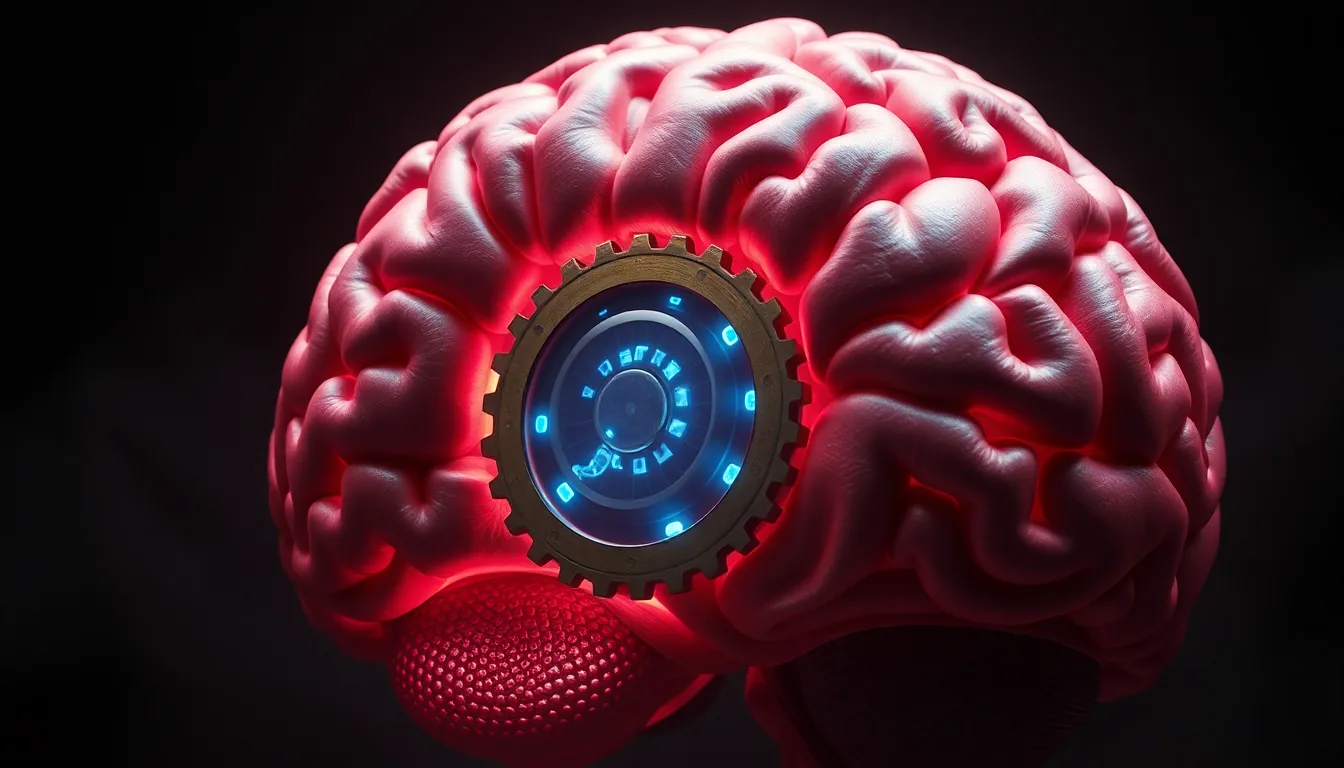
Stanford scientists have discovered that the brain's protein-making machinery can get jammed with age, like a traffic jam on a cellular highway. These 'ribosome collisions' produce faulty proteins and toxic clumps that may explain why memory fades and why diseases like Alzheimer's develop.
The Research
Published in Science on May 29, 2026, the study from Stanford University examined aging brains using the turquoise killifish (Nothobranchius furzeri), which matures rapidly and shows age-related brain decline in weeks. Lead researcher Judith Frydman, PhD, and her team compared young, adult, and old fish, analyzing protein production in brain cells. They found that ribosomes—the tiny machines that read genetic instructions and build proteins—frequently stalled and collided in older fish. This 'translation elongation' problem reduced production of healthy proteins and increased harmful clumps (aggregates) typical of Alzheimer's. Co-lead author Jae Ho Lee, PhD (now at Stony Brook University), said, '[C]hanges in the speed of ribosome movement along the mRNA can have a profound impact on protein homeostasis.' The study also explained a known aging mystery called 'protein-transcript decoupling,' where mRNA levels no longer match protein levels.
Why It Matters
This research pinpoints a fundamental cause of age-related cognitive decline: breakdowns in proteostasis (protein balance). As ribosomes jam, cells can't make the proteins needed for memory and learning. The resulting aggregates are a hallmark of Alzheimer's, suggesting that preventing these jams could delay or protect against neurodegeneration. For healthy adults, this means that maintaining cellular protein health may be key to staying sharp.
What You Can Do
Although we can't directly control ribosome traffic, evidence suggests that lifestyle factors like regular aerobic exercise, a balanced diet rich in antioxidants, and good sleep support proteostasis. Staying mentally active with puzzles and learning new skills may also help keep your brain's protein machinery humming. Consider taking an IQ test to track your cognitive baseline.
Source: ScienceDaily Mind & Brain
Curious about your own brain? Take our free adaptive IQ test or try 306 brain training levels.