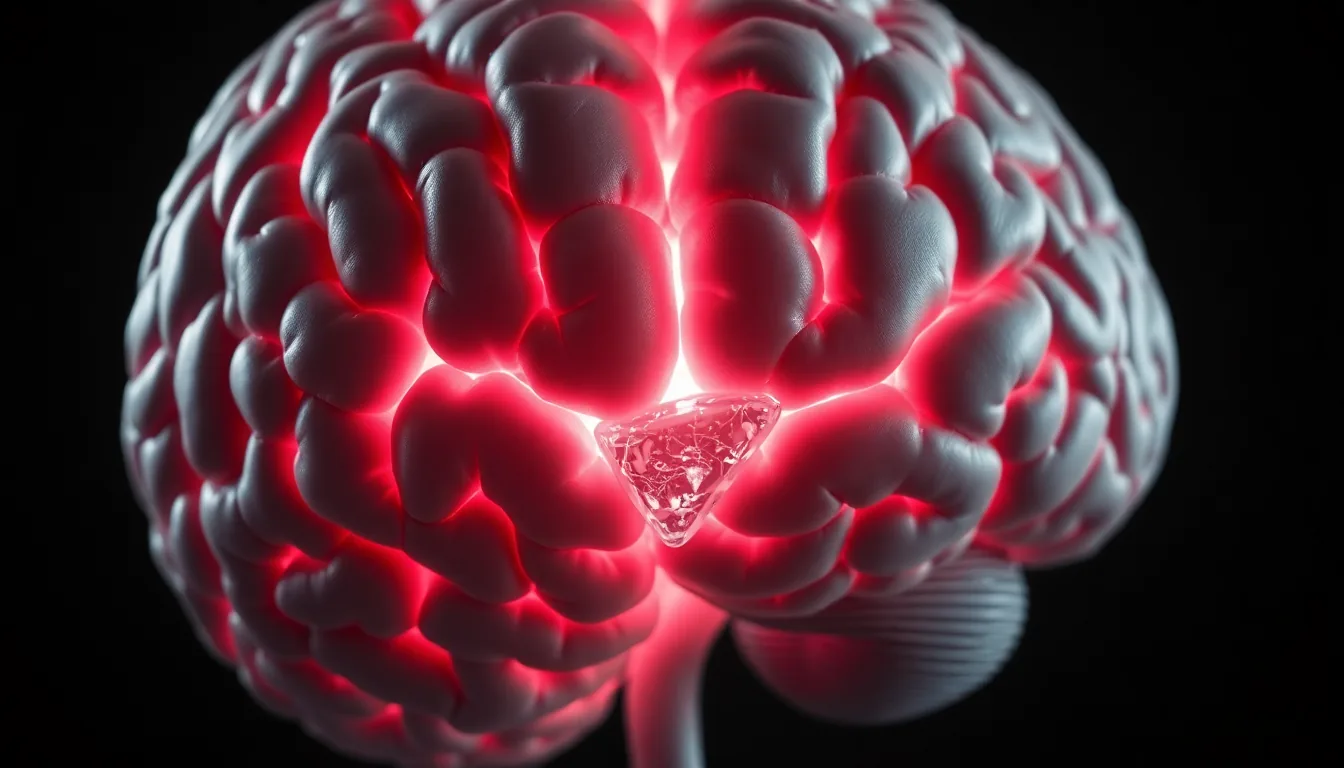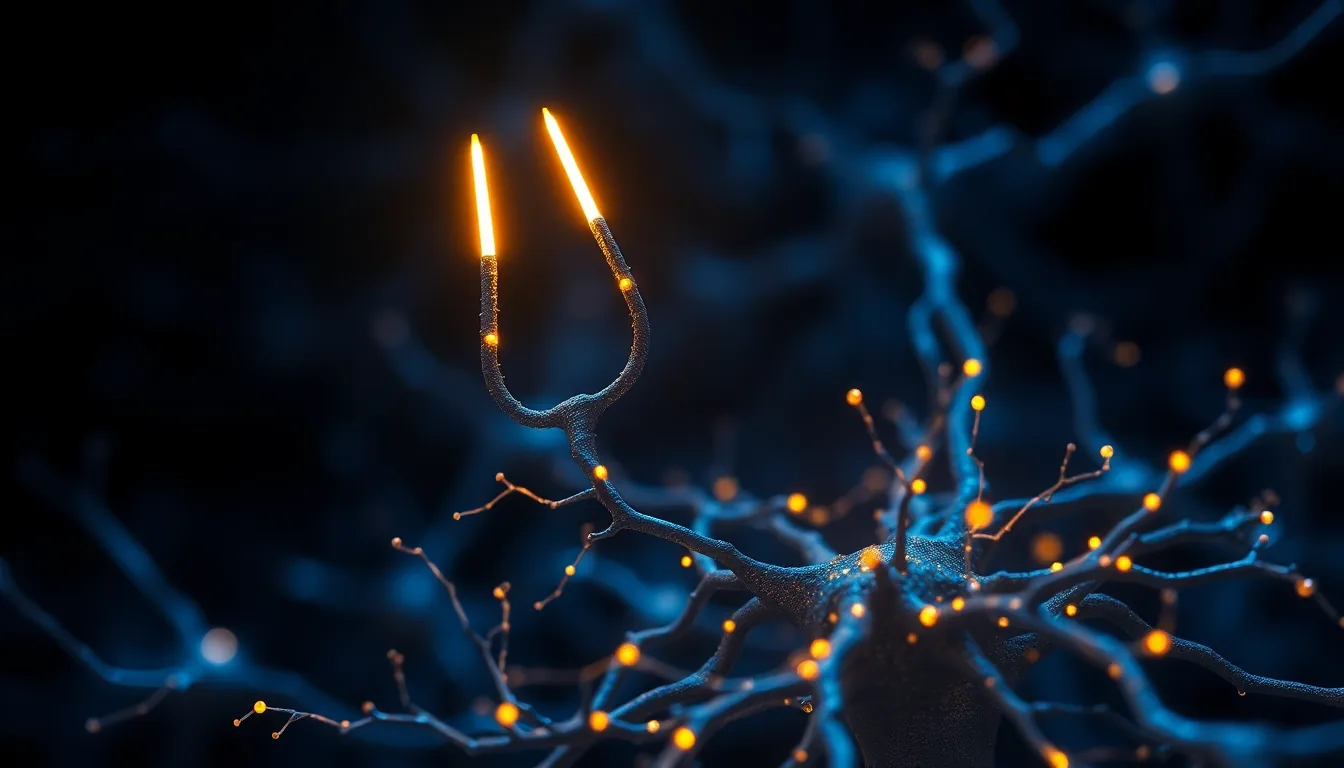
Blind Mexican cavefish didn't evolve a brand-new brain to survive in dark caves—they simply rewired existing neural circuits to flip their behavioral response to light. A study published in Science Advances reveals that evolution repurposed the same neurons that make surface fish seek light to instead make cavefish flee it.
The Research
Researchers at Florida Atlantic University compared blind cavefish (Astyanax mexicanus) with their sighted surface-dwelling counterparts. Using genetic engineering and whole-brain imaging at cellular resolution, they tracked neural activity in real time as fish experienced light and darkness. The results showed a complete behavioral reversal: surface fish become more active in sudden darkness (seeking light), while cavefish become hyperactive in light—a behavior called "light-evoked photokinesis" that helps them escape illuminated cave entrances where predators lurk.
Strikingly, the same neurons that fire in response to darkness in surface fish have been evolutionarily rewired to fire in response to light in cavefish. The primary site of this neural shift is the posterior tuberculum, a brain region that modulates light-responsive behaviors via dopamine signaling. By breeding surface and cave fish, the team demonstrated that this rewiring is genetically inherited, producing a gradient of responses in hybrid offspring.
Why It Matters
This study provides a powerful example of how evolution can repurpose existing neural hardware rather than build new circuits—a principle that likely applies to human brain evolution as well. Because dopamine pathways are highly conserved across vertebrates, understanding how simple genetic changes can invert behavioral responses offers insights into conditions like Parkinson's disease, schizophrenia, autism, and ADHD, where dopamine signaling is disrupted.
What You Can Do
While you can't rewire your brain overnight, you can train it. Neuroplasticity—the brain's ability to reorganize itself—is enhanced by learning new skills, exercising, and getting quality sleep. Engaging with varied cognitive challenges, like puzzles or brain training, can help strengthen neural connections and keep your dopamine system healthy.
Source: Neuroscience News
Curious about your own brain? Take our free adaptive IQ test or try 306 brain training levels.