Your Immune System Can Directly Change Your Brain
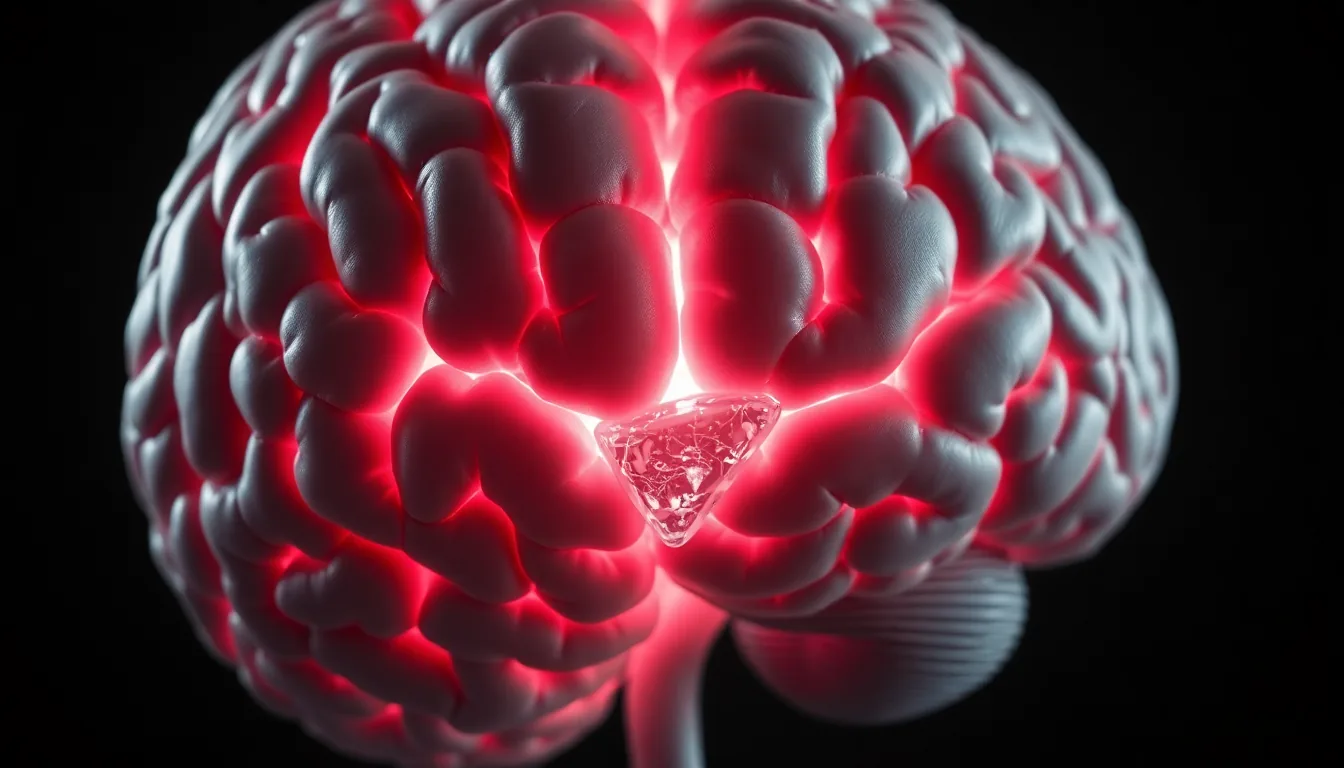
When you have a cold or flu, the physical symptoms—congestion, fever, chills—are often joined by a distinct mental shift: mild depression, desire to withdraw from others, and a heavy sense of sickness. This isn't just a coincidence. According to new research from Linköping University, your immune system actively signals your brain to produce these feelings.
Professor David Engblom and his team have spent years decoding how inflammation in the body crosses into the brain to alter neural function. Their work shows that during an infection or chronic inflammatory conditions like rheumatoid arthritis or inflammatory bowel disease, immune molecules travel through the bloodstream and breach the blood-brain barrier. Once inside, they change how neurons fire and how neurotransmitters work—directly causing the low mood, fatigue, and social withdrawal known as sickness behavior.
The research, honored with the Faculty of Medicine and Health Sciences' largest research award, has major implications. It explains why people with chronic inflammatory diseases often suffer from depression at much higher rates than the general population. By identifying the specific molecular pathways, Engblom's work opens the door to potential treatments that could block these brain changes without affecting the immune system's ability to fight infection.
Why This Matters for Your Brain
Understanding this link is crucial because inflammation is common. Acute infections happen several times a year, and chronic inflammatory conditions affect millions. Even short-term inflammation can temporarily impair cognitive functions like memory, attention, and decision-making. For people with chronic conditions, this can be a constant burden.
The good news: this research validates what many have felt—that illness affects your mind, not just your body. It also points toward future therapies that could alleviate the mental fog and depression associated with inflammation.
What You Can Do
- Reduce chronic inflammation through diet (omega-3s, antioxidants), exercise, and stress management.
- Listen to your body during illness: rest and social withdrawal are natural responses that may aid recovery.
- If you have a chronic inflammatory condition and experience depression, discuss this with your doctor—new targeted treatments may be on the horizon.
Source: Neuroscience News
Curious about your own brain? Take our free adaptive IQ test or try 306 brain training levels.