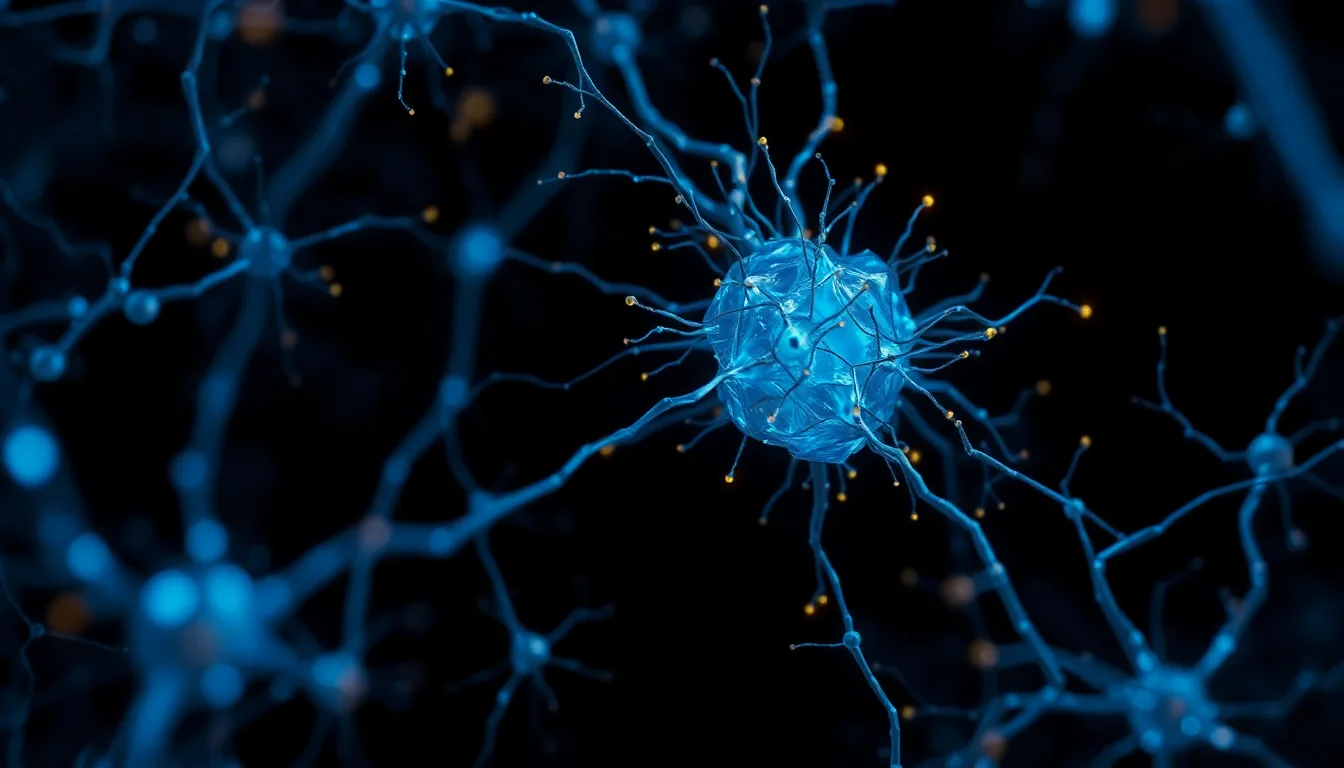
Astrocytes, star-shaped brain cells long dismissed as passive helpers, are now recognized as active controllers of fear memory formation, recall, and weakening.
The Research: Who, What, and How
Led by Lindsay Halladay, assistant professor at the University of Arizona Department of Neuroscience, and senior authors Andrew Holmes and Olena Bukalo of the National Institutes of Health’s Laboratory of Behavioral and Genomic Neuroscience, this multi-institutional study was published in Nature in April 2026. The team focused on the amygdala, a brain region central to fear processing, using a mouse model to track brain activity with fluorescent sensors.
They observed that astrocyte activity increased during both fear learning and recall, and declined when fear memories were extinguished. By altering the signals astrocytes send to neurons, researchers found:
- Strengthening astrocyte signals made fear memories more intense.
- Weakening those signals reduced fear responses.
Disrupting astrocyte activity also impaired neurons’ ability to form normal fear-related activity patterns, affecting how fear signals reach the prefrontal cortex—a region involved in decision-making. This shows astrocytes help coordinate a broader fear network beyond the amygdala.
Why It Matters for Your Cognition
This research shifts the traditional neuron-centric view of fear, highlighting astrocytes as key players in how your brain learns, stores, and manages fearful experiences. For anyone curious about cognition, it underscores that brain function involves complex interactions between cell types, not just neurons. Understanding these processes can inform approaches to conditions like anxiety disorders, where fear memories become persistent, by potentially targeting astrocyte activity to help the brain adapt more effectively.
What You Can Do
While this is early-stage research, you can support overall brain health by engaging in activities that promote neural plasticity, such as regular exercise, mindfulness practices, and cognitive challenges like puzzles or learning new skills. These habits may help maintain balanced brain function, including the intricate interactions between astrocytes and neurons.
Source: ScienceDaily Mind & Brain
Curious about your own brain? Take our free adaptive IQ test or try 306 brain training levels.