Scientists have discovered that a single protein called FTL1 appears to drive brain aging in mice, and reducing its levels can reverse memory decline and restore neural connections.
The Research: Pinpointing a Key Player in Cognitive Decline
Researchers at the University of California, San Francisco, led by senior author Saul Villeda, PhD, associate director of the UCSF Bakar Aging Research Institute, conducted a study published in Nature Aging on April 5, 2026. They tracked changes in genes and proteins in the hippocampus of mice over time and identified FTL1 as the only protein consistently elevated in older animals.
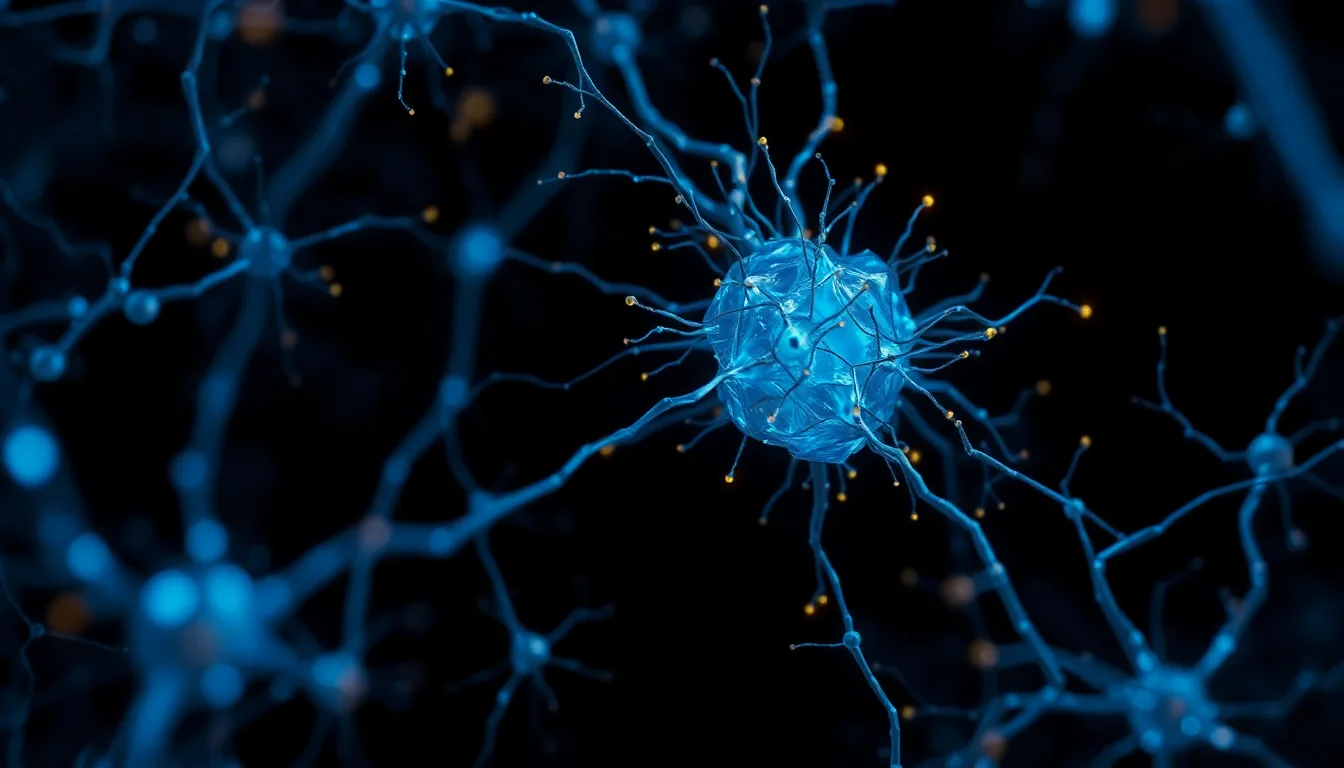
In aging mice, higher FTL1 levels correlated with fewer connections between neurons and poorer performance on cognitive tests. When researchers artificially increased FTL1 in young mice, their brains began to resemble those of older mice, with simplified neural structures. Laboratory experiments showed that nerve cells producing high amounts of FTL1 developed short, single extensions instead of the complex branching networks seen in healthy cells.
The most significant finding came when researchers reduced FTL1 in older mice. These animals showed clear recovery: connections between brain cells increased, and their performance on memory tests improved. "It is truly a reversal of impairments," said Villeda. "It's much more than merely delaying or preventing symptoms."
Why This Matters for Your Brain Health
This research provides a concrete biological target for understanding age-related cognitive decline. While conducted in mice, the study identifies a specific mechanism—FTL1 accumulation—that weakens neural connections and impairs memory. The finding that reducing FTL1 can reverse these effects suggests potential pathways for future interventions.
For anyone interested in maintaining cognitive function, this research underscores the importance of cellular health in the brain. The study also revealed that FTL1 affects how brain cells use energy, with higher levels slowing cellular metabolism in the hippocampus. When researchers treated these cells with a compound that boosts metabolism, the negative effects were prevented, pointing to metabolism as another important factor in brain aging.
What You Can Do Now
While human treatments targeting FTL1 are not yet available, you can support your brain health through evidence-based practices:
- Engage in regular physical exercise, which has been shown to support brain metabolism and neural connectivity
- Challenge your brain with novel cognitive activities to strengthen neural networks
- Maintain a balanced diet rich in nutrients that support cellular health
- Prioritize quality sleep, which is essential for memory consolidation and neural repair
Source: ScienceDaily Mind & Brain
Curious about your own brain? Take our free adaptive IQ test or try 306 brain training levels.