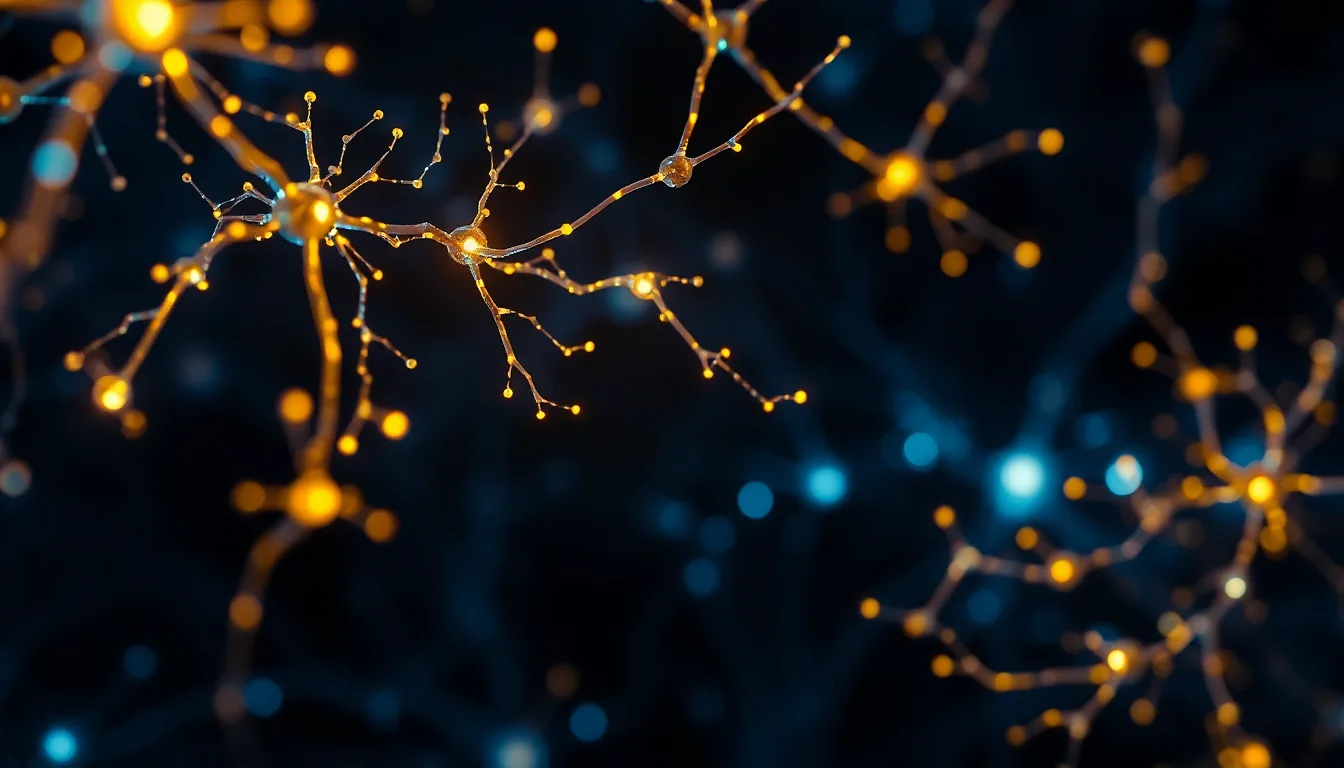
A new framework developed by researchers at Stanford University and the University of California, Santa Cruz, can predict how neurons will respond to electrical stimulation after analyzing just a few minutes of brain activity data. The approach achieved 90.6% accuracy in forecasting responses to previously unseen stimulation patterns, potentially revolutionizing therapies like deep brain stimulation and retinal implants.
The Research
The study, led by Amrith Lotlikar and colleagues, used high-density multi-electrode arrays (MEAs) to record from macaque retina. They collected hundreds of hours of stimulation and recording data using a 512-electrode array with 30-micrometer spacing. The team developed a method to rapidly infer biophysical parameters of multi-compartment Hodgkin-Huxley (HH) models from extracellular features alone, leveraging differentiable simulations and simulation-based inference. Traditionally, fitting HH models required invasive intracellular recordings, limiting scalability. With this new approach, the models were fit using only a few minutes of recording. When tested on novel multi-electrode stimulation patterns, the predictions matched actual neural responses with 90.6% accuracy, drastically reducing the need for lengthy stimulus testing.
Why It Matters
For anyone curious about brain function or considering neurostimulation therapies, this research suggests a future where precise, personalized stimulation protocols can be designed quickly and non-invasively. Instead of trial-and-error adjustments over hours, clinicians could use a brief recording session to build a digital twin of the patient's neural circuits and predict optimal stimulation parameters. This could improve outcomes for conditions like Parkinson's disease, epilepsy, and vision loss. Moreover, the ability to model large-scale neural populations from extracellular data opens doors for understanding how networks of neurons process information, which is at the heart of cognition.
What You Can Do
While this technology is not yet available for personal use, you can support brain health by engaging in cognitive training and staying informed about neuroscience advances. Regularly challenging your brain with puzzles, learning new skills, or using platforms like IQGenio can help maintain neural plasticity. Also, if you or a loved one is considering neurostimulation therapies, ask your clinician whether advanced modeling techniques are being used to personalize treatment.
Source: arXiv q-bio.NC
Curious about your own brain? Take our free adaptive IQ test or try 306 brain training levels.