Your brain doesn’t start blank—it starts overloaded, then sharpens itself by cutting away the excess. A new study from the Institute of Science and Technology Austria (ISTA) reveals that the hippocampus, the brain’s memory hub, begins life with a dense, seemingly random web of connections that gets pruned into a faster, more organized network over time.
The Research
Led by Professor Peter Jonas, the team at ISTA studied the CA3 region of the hippocampus—a critical circuit for storing and retrieving memories. They used the patch-clamp technique to measure electrical signals in neurons from mouse brains at three developmental stages: early postnatal (day 7–8), adolescence (day 18–25), and adulthood (day 45–50). Combining this with advanced imaging and laser-based activation, they mapped how connections changed over time.
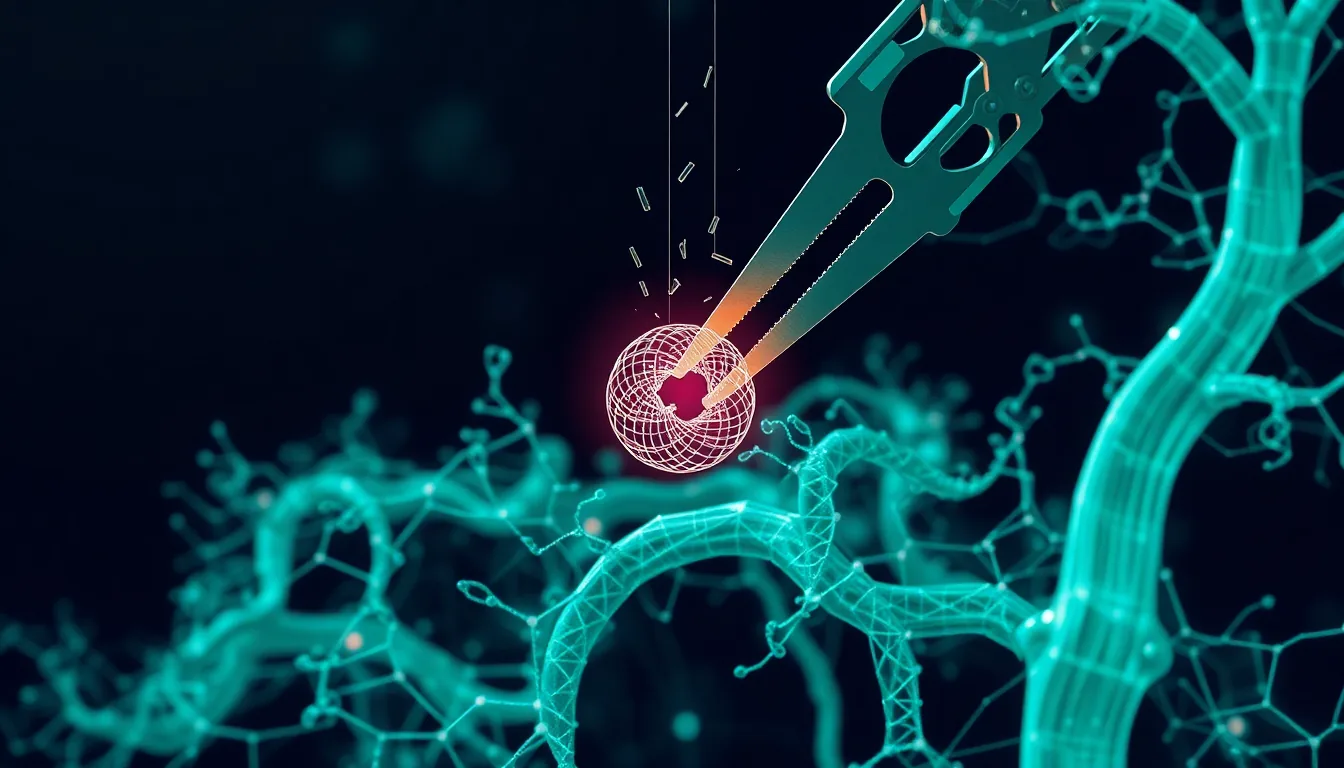
The results, published in Nature Communications, were surprising. Early in development, the CA3 network was extremely dense, with connections that appeared largely random. As the brain matured, the network became less crowded but more organized and efficient—a process called synaptic pruning. “Intuitively, one might expect that a network grows and becomes denser over time. Here, we see the opposite,” says Jonas.
Why It Matters
This challenges the ancient idea of tabula rasa—the blank slate—suggesting instead that our brains start as “full slates” (tabula plena). According to Jonas, an initially “exuberant” connectivity may allow neurons to link up quickly, enabling the hippocampus to integrate diverse information (like sights, sounds, and smells) into cohesive memories. If the brain started as a true blank slate, neurons would first need to locate and connect with one another, slowing communication and reducing memory efficiency. Starting full, then pruning, may be nature’s way of building a faster, more adaptive memory system.
What You Can Do
While you can’t control your brain’s early pruning, you can support healthy neural efficiency throughout life. Cognitive stimulation—learning new skills, solving puzzles, or engaging in novel experiences—promotes synaptic plasticity and may help maintain a sharp, well-pruned network. Physical exercise and adequate sleep also support the brain’s natural maintenance processes.
Source: ScienceDaily Mind & Brain
Curious about your own brain? Take our free adaptive IQ test or try 306 brain training levels.