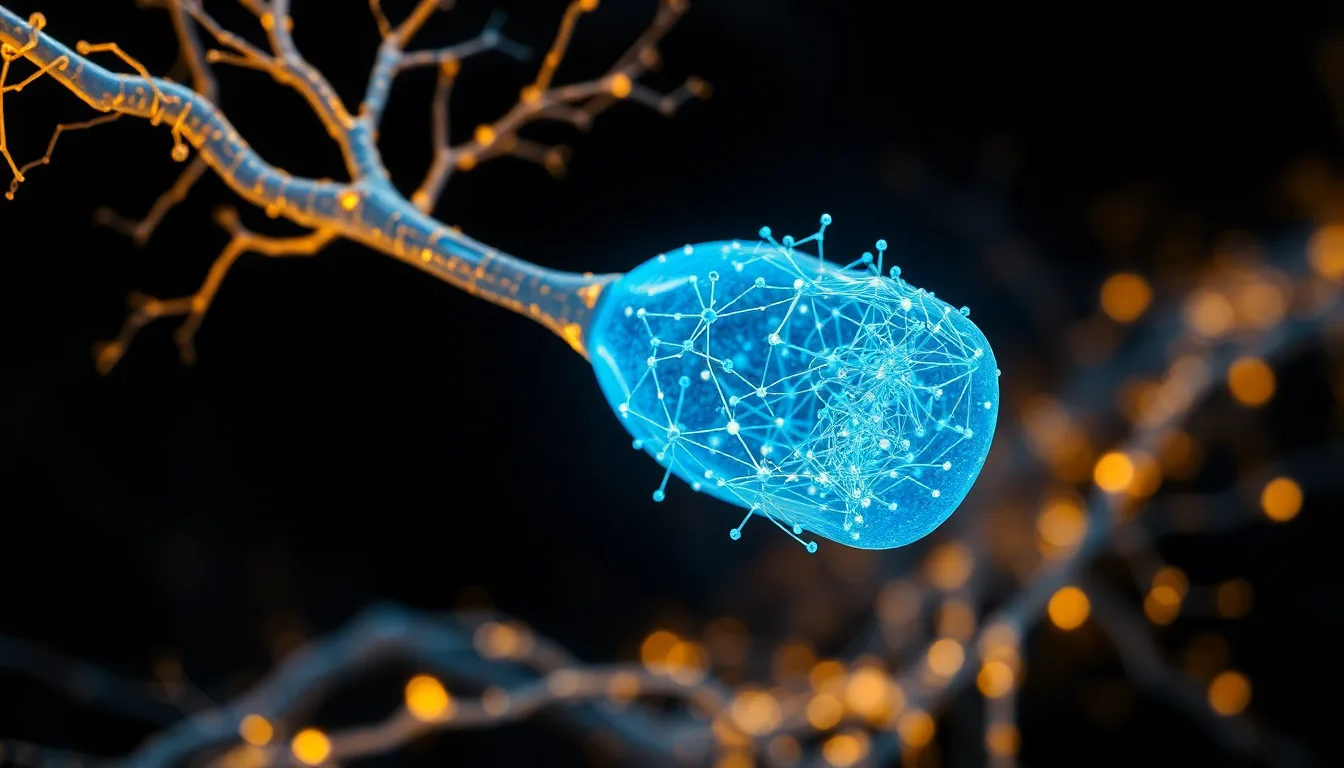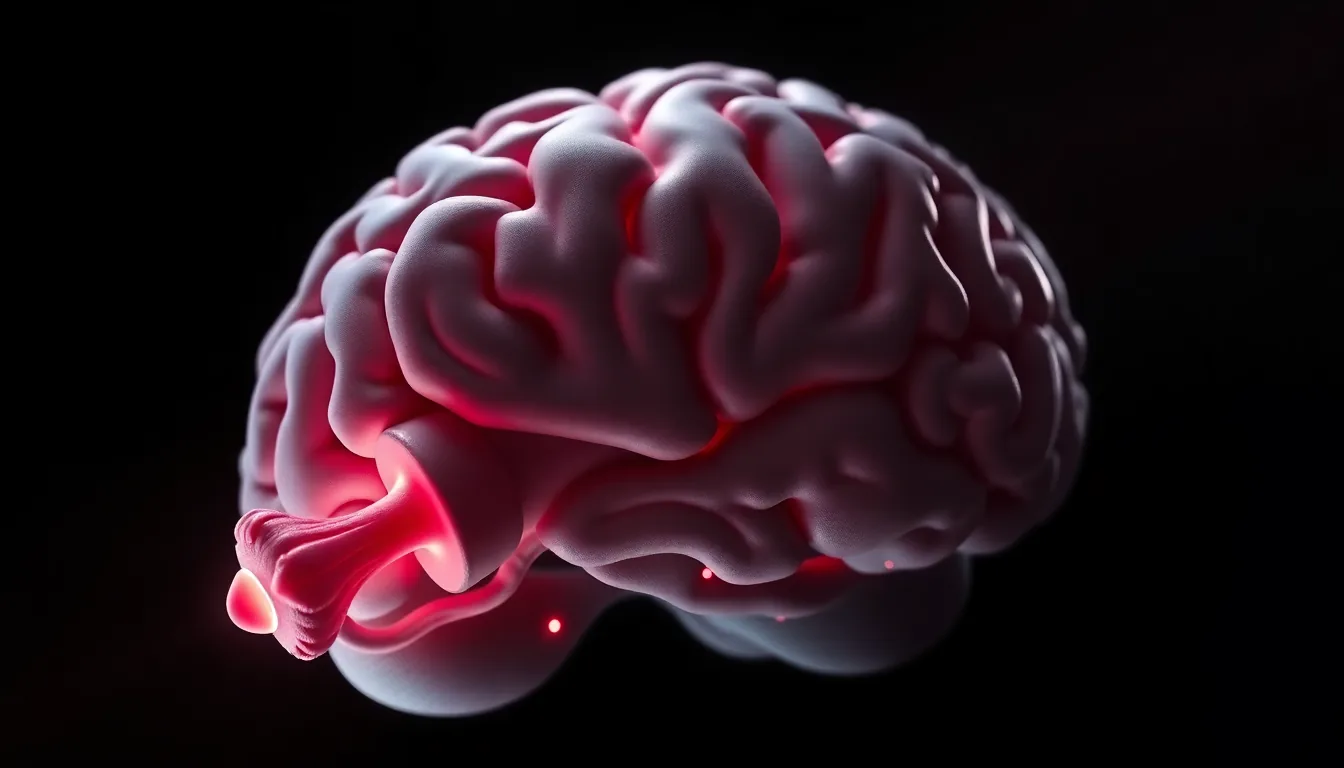
For years, tinnitus—ringing in the ears with no external sound—has puzzled scientists. Now, a major review of the stochastic resonance model suggests it may be a side effect of the brain's own optimization strategy.
The Research
In 2016, Patrick Krauss and Achim Schilling proposed that after hearing loss, the brain adaptively upregulates internal neural noise to restore information transmission. This stochastic resonance—where moderate noise enhances signal detection—turns a deficit into a functional adjustment. Over ten years, computational models, clinical studies, and animal experiments have supported this. For example, they found that specific noise conditions improve auditory detectability, and that phantom percepts are frequency-specific, matching the hearing loss profile. The framework now integrates central gain, homeostatic plasticity, and predictive coding into a unified theory of auditory phantom perception.
Why It Matters
This reframing matters because it shifts focus from pathology to adaptive computation. Instead of treating tinnitus as a broken system, it suggests the brain is trying to help—but with an unwanted side effect. Understanding this could lead to better therapies, such as spectrally matched near-threshold noise stimulation, which the model inspired. For anyone curious about cognition, it underscores how flexible the brain is in maintaining information flow.
What You Can Do
If you experience tinnitus, consider consulting an audiologist about noise-based therapies emerging from this research. Protecting your hearing with earplugs in loud environments can also prevent the hearing loss that triggers the adaptive response.
Source: arXiv q-bio.NC
Curious about your own brain? Take our free adaptive IQ test or try 306 brain training levels.