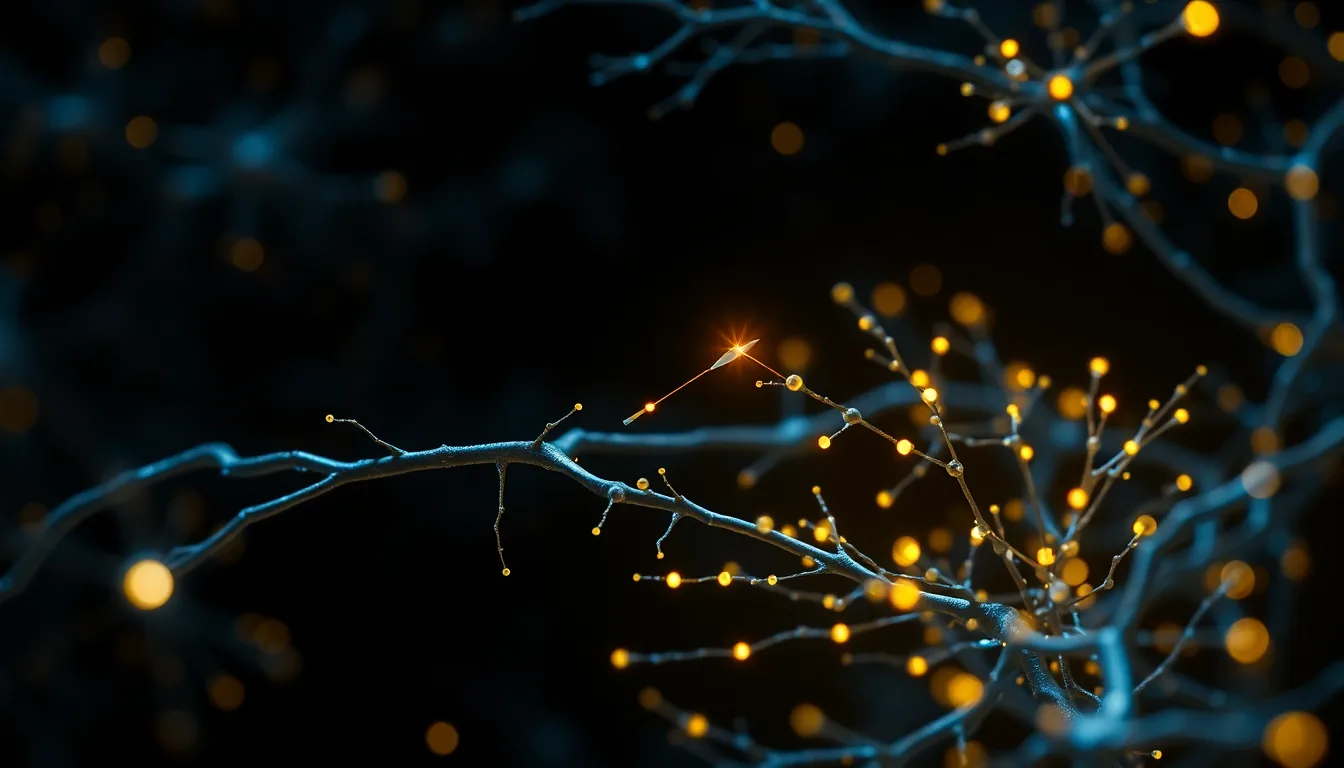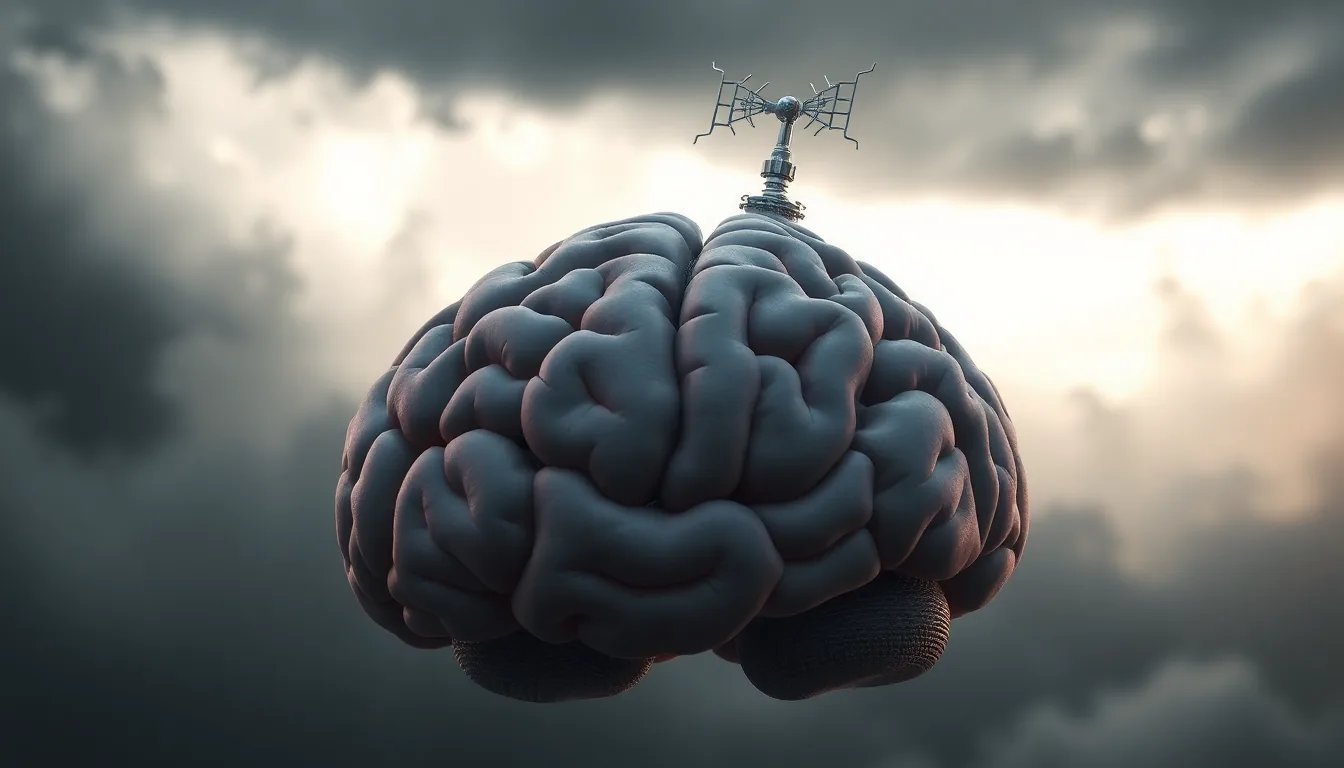
The primary cilium, once dismissed as a useless evolutionary leftover, is now revealed to be a critical architect of the developing brain—and it may even manufacture its own proteins.
The Research
Biomedical scientist Xuecai Ge at the University of California, Riverside, and her team published a study in Cell Reports analyzing over 1,000 mouse embryonic brains. They identified more than 1,000 proteins within the primary cilia of neural progenitor cells—cells that give rise to neurons. Many of these proteins were previously unknown to exist there. Remarkably, the team found over 40 proteins that vary depending on the brain region, indicating the cilium is not a one-size-fits-all structure. The most surprising discovery: evidence of protein-making machinery inside the cilium itself. “It’s like finding a bread maker where you thought bread could only be delivered,” said Ge. The study also linked the protein CKAP2L to Filippi syndrome, a condition causing reduced brain size. When removed in mice, brain growth was significantly stunted.
Why It Matters
This discovery challenges the fundamental “delivery-only” model of cell biology, where all proteins are made in the cell body and shipped elsewhere. If cilia can produce their own proteins, it opens a new roadmap for understanding developmental brain disorders. For anyone curious about cognition, this research highlights that even the tiniest cellular structures can have outsized effects on brain function—and that disorders once thought unrelated may share a common ciliary root.
What You Can Do
Support your brain health with regular exercise, a balanced diet, and adequate sleep—these are known to support healthy ciliary function. Stay curious about emerging research, as understanding these microscopic antennas may one day lead to therapies for cognitive conditions.
Source: Neuroscience News
Curious about your own brain? Take our free adaptive IQ test or try 306 brain training levels.