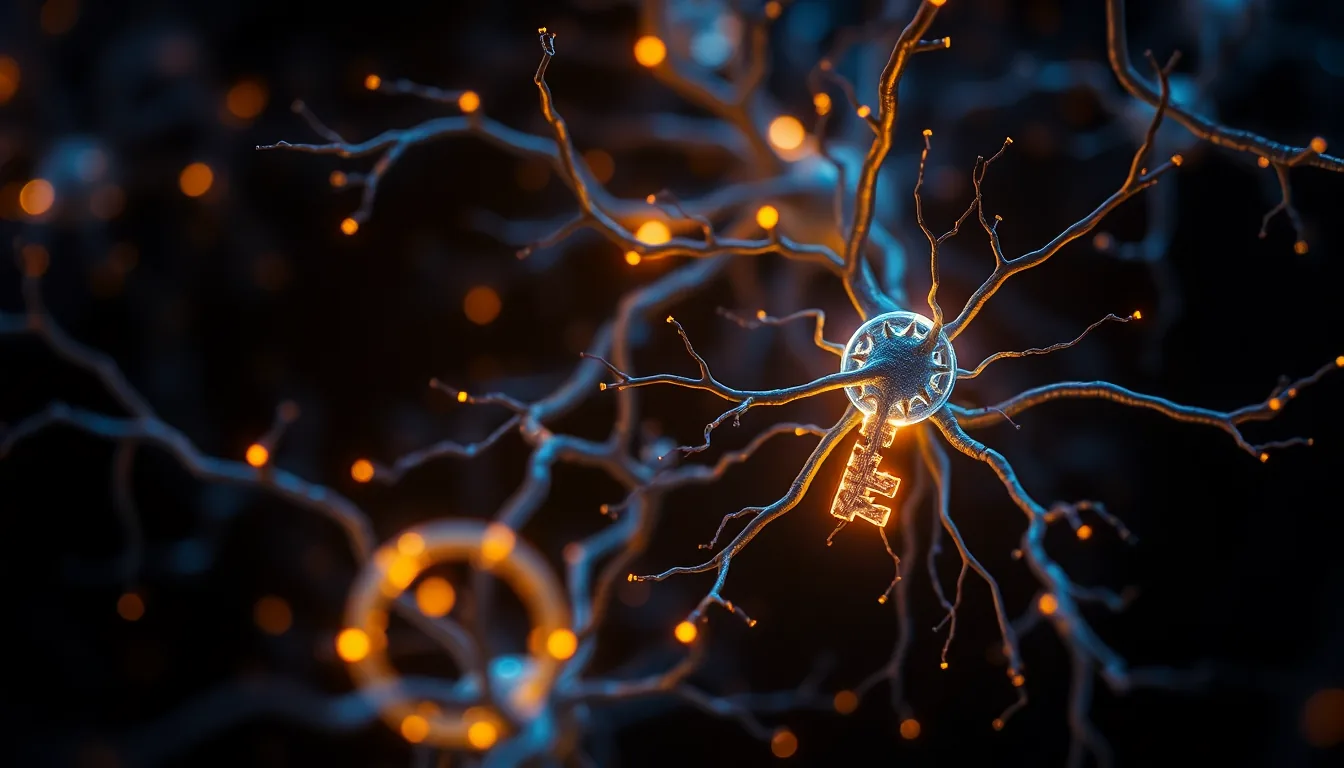
Potassium ions (K⁺) have long been seen as simple passengers in the brain, flowing through channels to generate electrical signals. But a new discovery reveals they can act as a molecular "switch." Researchers at the National Institutes of Natural Sciences (NINS) in Japan accidentally found that an ion channel called Alka, located in the fruit fly brain, functions as a membrane receptor that detects extracellular potassium as a ligand.
The Research
While testing the effects of aspartic acid on the Alka channel, the team led by Shimomura and Suzuki noticed unexpected changes in brain activity. They realized these changes were caused by the potassium counter-ion (K⁺), not the amino acid. "The compound was effective. At first, we thought the effect was due to aspartic acid, but we ultimately realized that it was caused by K⁺," said Shimomura.
Using electrophysiological analysis combined with AlphaFold3, an AI tool for protein structure prediction, the team identified a specific K⁺ binding site within the Alka channel. This site mimics a "hydrated" environment, allowing the receptor to recognize potassium ions selectively. The study was published in Nature Communications in April 2026.
Next, the researchers examined the human glycine receptor (GlyR), which is related to Alka. While the conventional form of GlyR did not respond to K⁺, an RNA-edited form found in the human brain did, though weakly. This edited form is abundant in patients with temporal lobe epilepsy, suggesting it may act as a pathological sensor when potassium levels spike during seizures.
Why It Matters
In a healthy human brain, extracellular K⁺ is maintained within a narrow range (3–5 mM). The newly discovered "switch" is designed to stay off under normal conditions. However, during epileptic episodes, potassium levels can rise dramatically. This mechanism may help explain how the brain responds to pathological K⁺ fluctuations and could lead to new treatments for epilepsy and other conditions linked to brain homeostasis.
What You Can Do
While this is basic research, it highlights the importance of maintaining stable brain chemistry. Staying hydrated, managing stress, and avoiding triggers that can disrupt neural excitability (like lack of sleep or excessive alcohol) can help keep your brain's ion balance in check. For a deeper look at your cognitive health, consider a comprehensive IQ assessment.
Source: Neuroscience News
Curious about your own brain? Take our free adaptive IQ test or try 306 brain training levels.