A new framework called Mechanistically Interpretable Neural Encoding (MINE) opens the black box of brain-activity prediction, revealing exactly which features in an image drive each tiny patch of visual cortex.
The Research
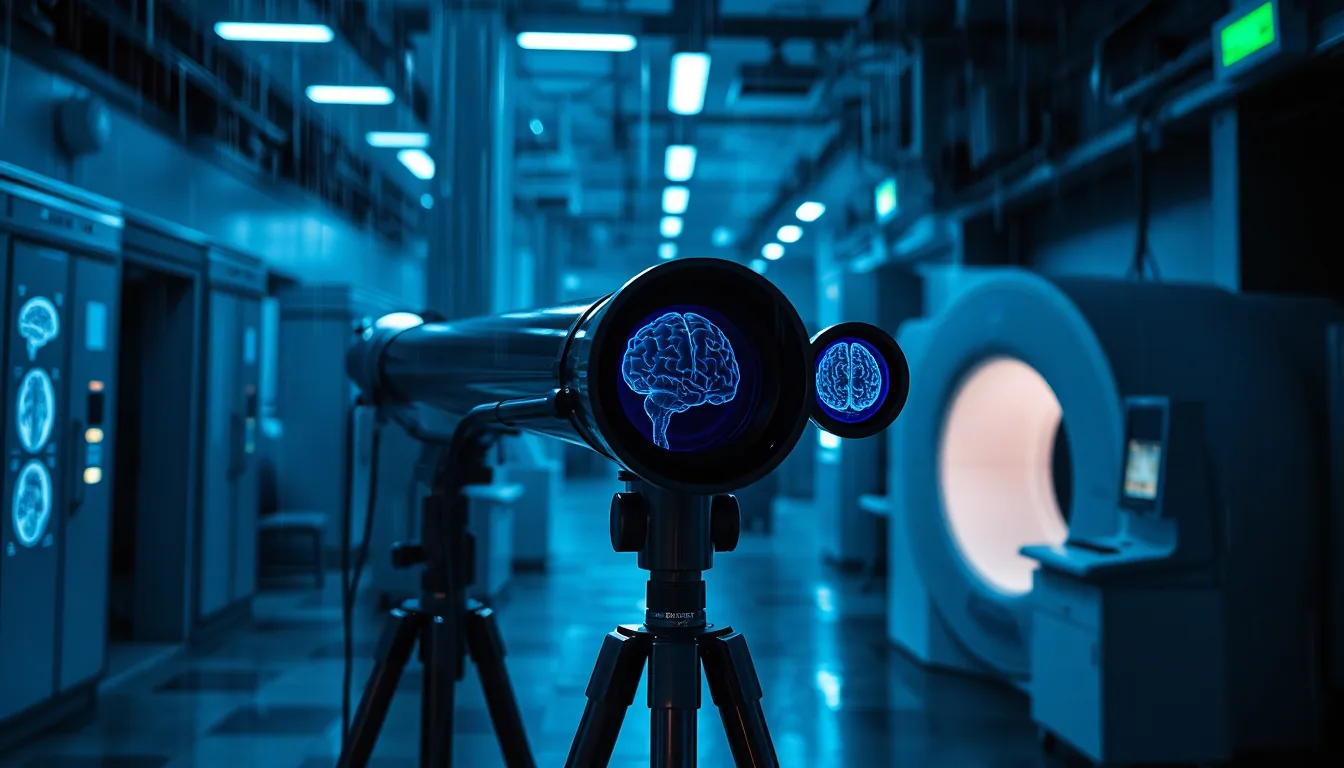
Researchers from Tel Aviv University — Idan Daniel Grosbard, Mor Geva, and Galit Yovel — developed MINE to go beyond correlational encoding models that predict brain activity but can't explain why. Their approach uses language-aligned image representations to predict fMRI responses at the voxel level (millimeter-scale). Published on arXiv in May 2026, the study tested MINE on category-selective brain regions like the fusiform face area and parahippocampal place area.
MINE produces a semantically interpretable description for each voxel: e.g., “a round object with a handle” rather than just “face.” To validate these descriptions, the team used them to generate new images that elicited the same voxel responses as the originals. They also performed counterfactual editing — adding or removing predicted features from images — which shifted brain activation in the expected direction, providing causal evidence. The per-voxel profiles recovered known categorical preferences (e.g., faces vs. places) while revealing fine-grained structure: voxels within a single region preferred different sub-features, like eyes vs. mouth or indoor vs. outdoor scenes. The counterfactual editing guided by these profiles produced even stronger activation shifts, confirming the profiles faithfully capture each voxel's selectivity.
Why It Matters
For anyone curious about their own cognition, this work shows that your visual brain is not a monolithic “face area” or “place area” but a mosaic of tiny patches each tuned to specific details. Understanding this could lead to personalized brain-training that targets specific visual processing skills — like recognizing faces better in low light or scanning scenes for details. It also paves the way for AI that sees more like we do, with interpretable reasoning.
What You Can Do
While you can't apply MINE at home, you can practice identifying subtle details in images: study faces in crowds, notice textures in landscapes, or try visual puzzles that require fine discrimination. This kind of attention may strengthen the same neural selectivity MINE measures.
Source: arXiv q-bio.NC
Curious about your own brain? Take our free adaptive IQ test or try 306 brain training levels.