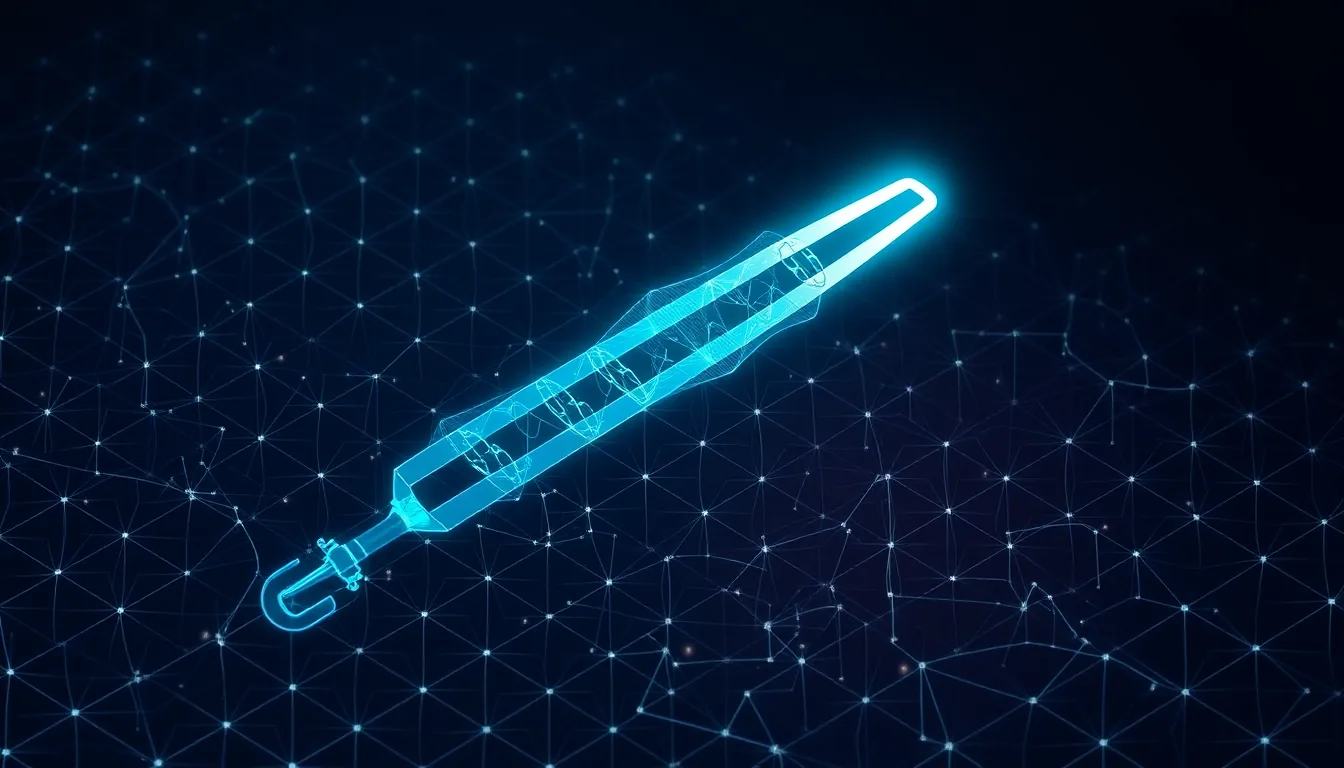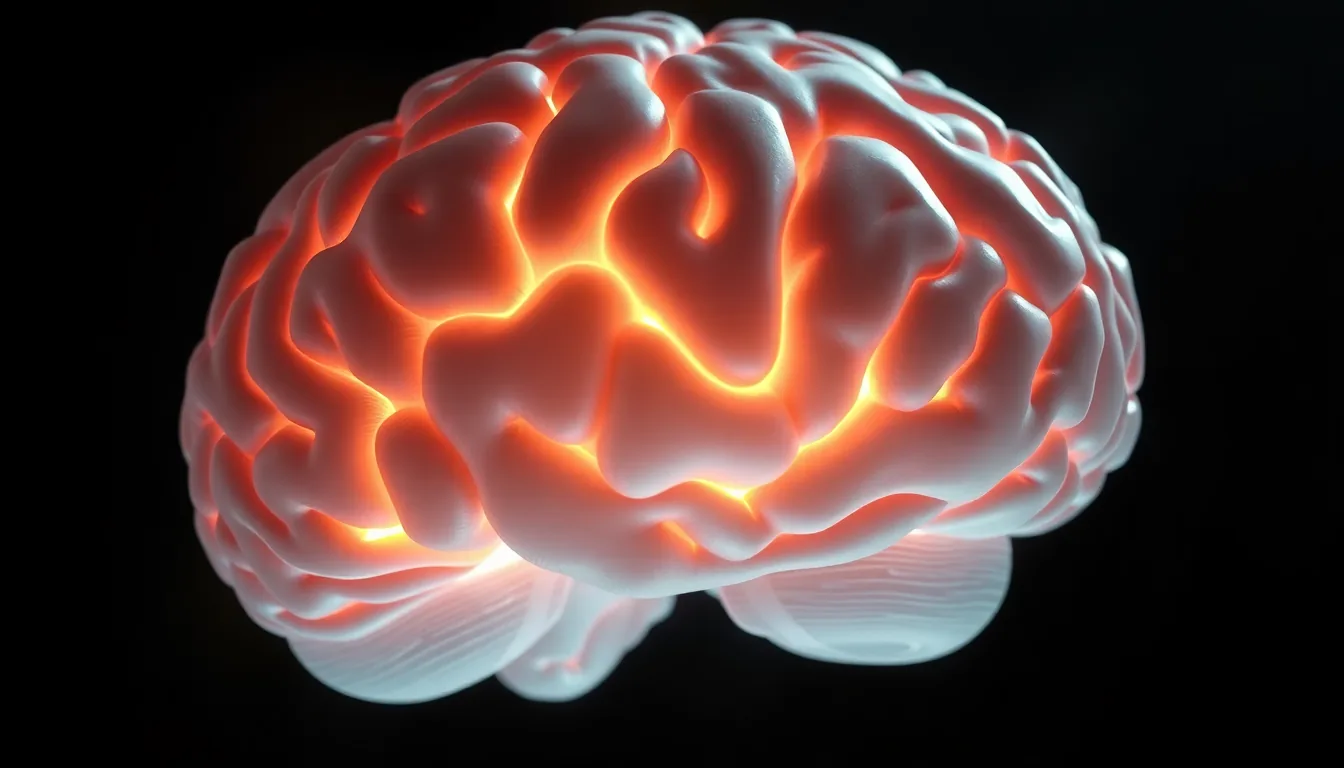
What if we could "hotwire" the brain, bypassing broken connections to fix neurological disorders? Researchers at Duke University School of Medicine have done just that. Led by Dr. Kafui Dzirasa, the team created LinCx—a biological wire that forms new electrical synapses between specific neurons. Instead of repairing damaged links, LinCx installs a direct bypass, strengthening communication without affecting native connections.
The Research
Published in Nature on May 13, 2026, the study used engineered proteins from fish that naturally form electrical synapses. These molecules were redesigned to dock only with a matching partner, preventing unintended crosstalk. A new fluorescence-based assay helped identify pairs that passed electrical signals reliably. In mice, targeted LinCx connections reshaped brain-wide activity, altering social interactions and stress responses. In worms, adding new connections changed temperature-seeking behavior.
LinCx offers precision that drugs, electrodes, and optogenetics lack. Drugs affect broad cell populations; optogenetics often requires external light stimulation. LinCx works internally, without external hardware, and creates long-lasting changes.
Why It Matters
For anyone curious about their brain, this research hints at a future where neurological conditions like depression or Parkinson's could be treated by rewiring specific circuits, not by taking daily pills or undergoing electrode implants. Understanding that circuits can be edited at the cellular level opens doors to personalized brain repair.
What You Can Do
While LinCx isn't available for humans yet, you can support your brain health by engaging in varied cognitive tasks. Try brain training exercises that challenge different networks—like puzzles, memory games, or learning a new skill. Just as LinCx strengthens specific connections, regular mental stimulation builds neural resilience.
Source: Neuroscience News
Curious about your own brain? Take our free adaptive IQ test or try 306 brain training levels.