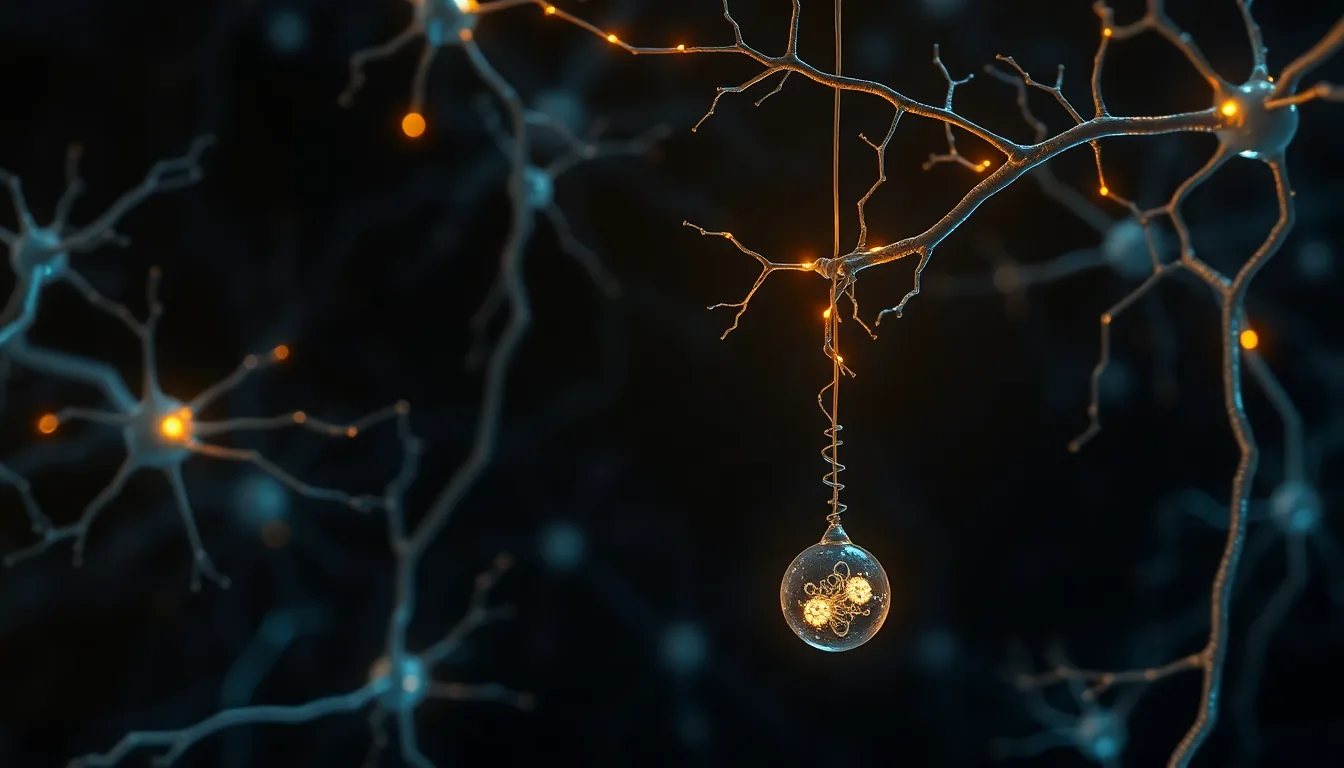
Scientists have discovered that Smoothened, a receptor best known for guiding brain development before birth, continues to play a vital role in adulthood by balancing how strongly we learn from rewards and how easily we adapt when circumstances change.
The Research
Led by Dr. Andreas H. Kottmann, associate medical professor at the City University of New York Graduate Center, the study published in iScience on April 22, 2026, focused on the striatum, a brain region that links actions to outcomes. The researchers found that Smoothened controls the duration of "pauses" in acetylcholine release by cholinergic interneurons. These pauses create narrow windows during which dopamine can strengthen neural connections that encode newly learned behaviors.
When Smoothened was removed from cholinergic neurons in mice, the acetylcholine pauses lasted significantly longer, allowing dopamine to reinforce actions more strongly. As a result, the animals learned motor tasks more quickly and worked harder for rewards. However, they became "stubborn": they struggled to adjust their behavior when the reward value or effort required changed. This trade-off shows that Smoothened acts as a "tuning knob," says Dr. Kottmann, preventing reinforcement from becoming too strong or too persistent.
Why It Matters
These findings illuminate a fundamental mechanism that keeps learning and flexibility in balance. If the Smoothened system goes awry, it may contribute to conditions like addiction, where reinforcement becomes pathologically strong, or Parkinson's disease, where dopamine-acetylcholine coordination is disrupted. For the average person, understanding that a single molecular pathway can influence cognitive balance offers a new perspective on why some people are more habit-prone or more adaptable than others.
What You Can Do
While you can't directly tweak Smoothened, you can support your brain's learning flexibility through diverse experiences. Try learning new skills that involve both reward and adaptation—like a new language or musical instrument—which challenge your brain to rebalance persistence versus flexibility. Regular aerobic exercise also boosts dopamine and acetylcholine systems, potentially supporting healthy tuning.
Source: Neuroscience News
Curious about your own brain? Take our free adaptive IQ test or try 306 brain training levels.