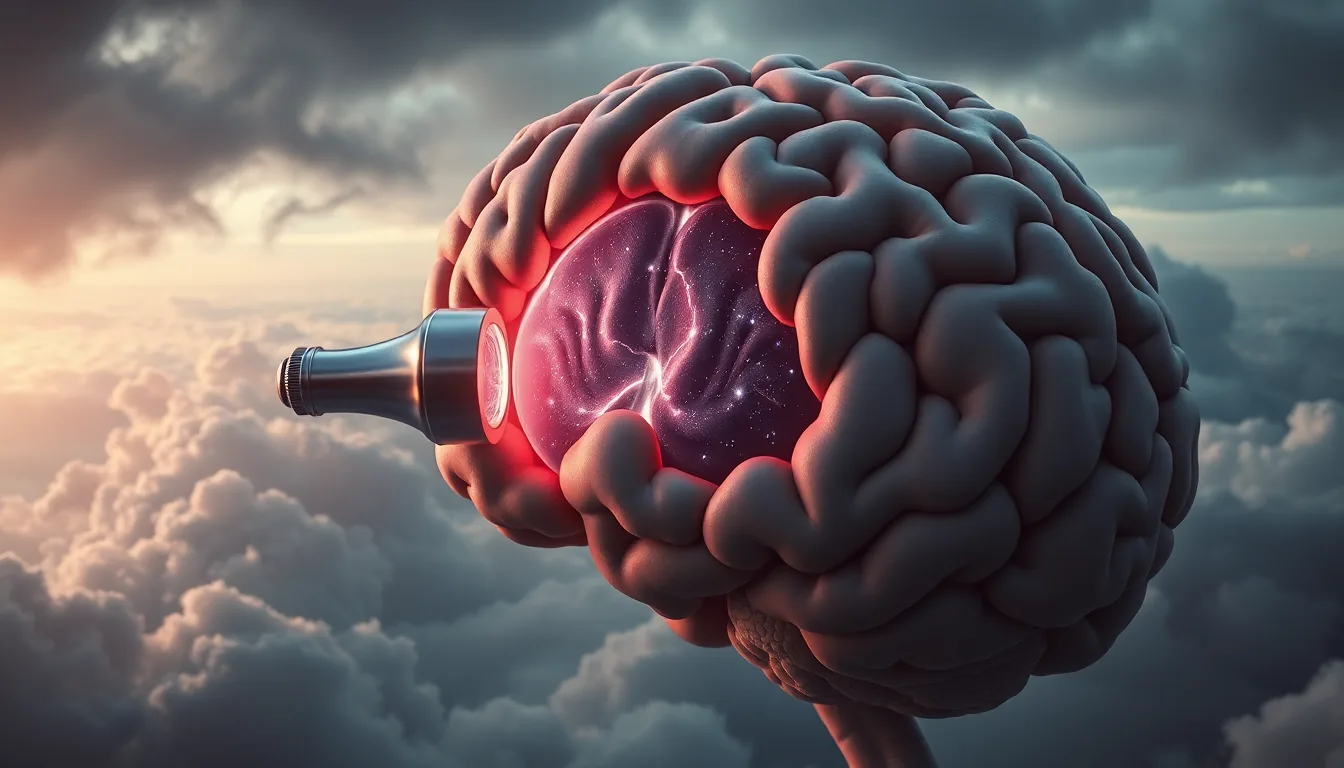
Your brain has a dedicated circuit that tracks how let down you feel, and it uses that information to change your behavior. A new study from the University of Oregon pinpoints a group of neurons in the lateral habenula—a deep-brain structure known as the 'anti-reward center'—that fire in direct proportion to the size of a disappointment.
The Research
Published May 8 in Current Biology, senior author Emily Sylwestrak and lead author Kana Suzuki trained mice to expect a sugar water reward. When the reward was reduced or withheld, a specific cell type in the lateral habenula burst into activity. The firing rate scaled precisely with the deficit: the smaller the reward compared to expectation, the stronger the neural response. Crucially, these cells did not respond to other negative events like an unexpected puff of air, showing they are disappointment-specific, not general 'bad news' detectors. Sylwestrak discovered the cells accidentally while recording from neighboring tissue during another experiment.
Why It Matters
This 'disappointment meter' is a key part of how brains learn from errors. By isolating a single cell type responsible for encoding expectation shortfalls, researchers now have a precise target for studying disorders where this process goes awry—such as depression, where disappointment may be exaggerated, or addiction, where it might be blunted. The discovery suggests future medications could be designed to tweak this specific 'knob,' potentially reducing side effects compared to broader-acting drugs.
What You Can Do
You can train your brain to handle disappointment more adaptively. Practice setting realistic expectations, and after a letdown, consciously review what you learned. Cognitive reframing—seeing setbacks as data for future decisions—leverages the very prediction-error system this study describes. Try our free brain training exercises designed to boost cognitive flexibility.
Source: Neuroscience News
Curious about your own brain? Take our free adaptive IQ test or try 306 brain training levels.