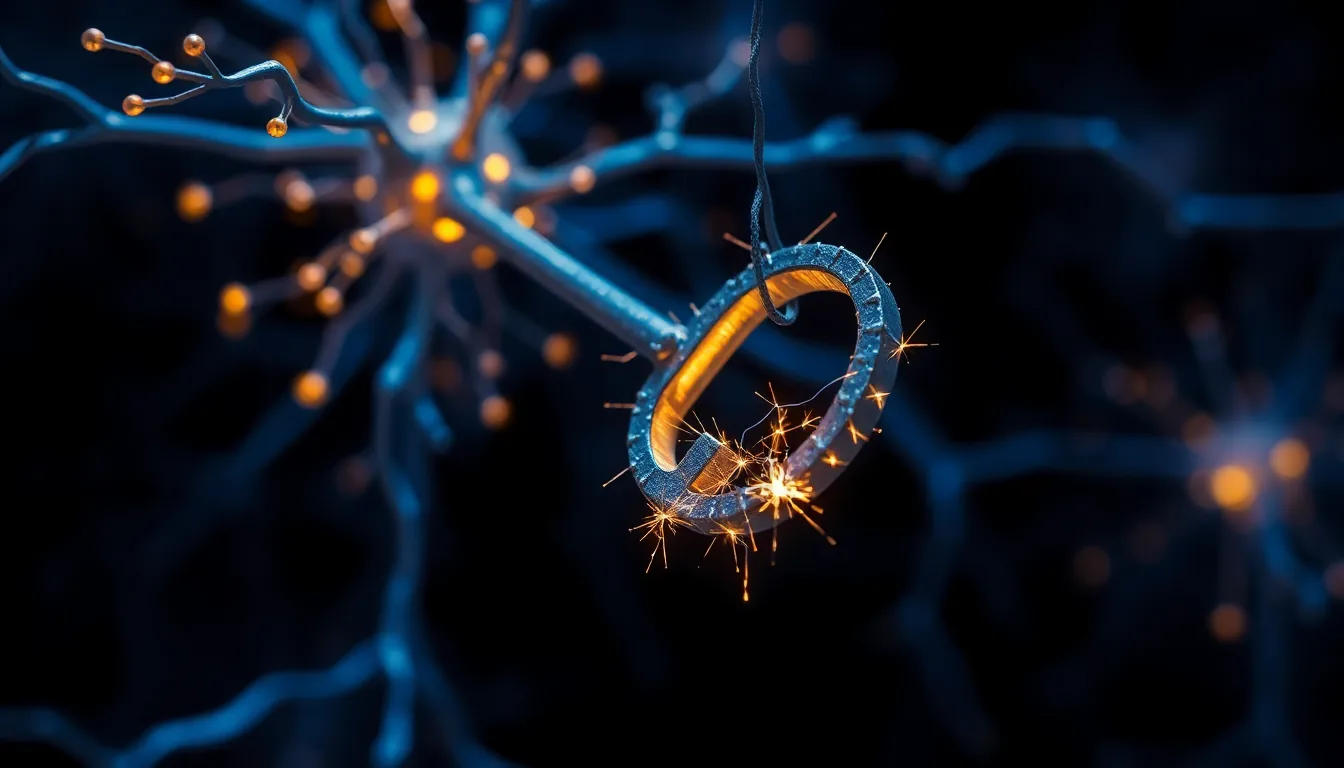
A new study shows that inducing local sleep-like brain activity can completely offset the cognitive damage of sleep deprivation — at least in mice. Researchers used optogenetics to trigger a rhythmic on-and-off neural firing pattern in small brain regions while mice remained awake, replicating the restorative effects of non-rapid eye movement (NREM) sleep.
How the Study Worked
Led by Dr. Chiara Cirelli at the University of Wisconsin-Madison and funded by the NIH, the team used light-pulsing implants and genetic modifications to force rhythmic slow-wave activity in one hemisphere of sleep-deprived mice for 30-minute intervals. Normally, NREM sleep — which makes up about 80% of adult sleep — is when the brain prunes unnecessary neural connections and strengthens important ones for memory. The intervention successfully mimicked that process locally.
Results showed that stimulated mice performed as well as fully rested controls on tactile memory tests, while non-stimulated sleep-deprived mice performed significantly worse. Moreover, when the mice were later allowed to sleep, slow-wave activity was lower in the stimulated regions, indicating that the local sleep need had been satisfied.
Why It Matters for Your Brain
This research challenges the idea that sleep's benefits come simply from reducing overall neural firing. Instead, the alternating on-and-off pattern of slow waves appears to be key. If this can be translated to humans using non-invasive transcranial stimulation, it could lead to new ways to combat memory loss from insufficient sleep — a common issue in modern life.
What You Can Do
While we wait for human applications, prioritize quality sleep. Aim for 7–9 hours per night, maintain a consistent schedule, and create a dark, cool sleep environment. If you're sleep-deprived, even a short nap can help restore local brain function.
Source: Neuroscience News
Curious about your own brain? Take our free adaptive IQ test or try 306 brain training levels.