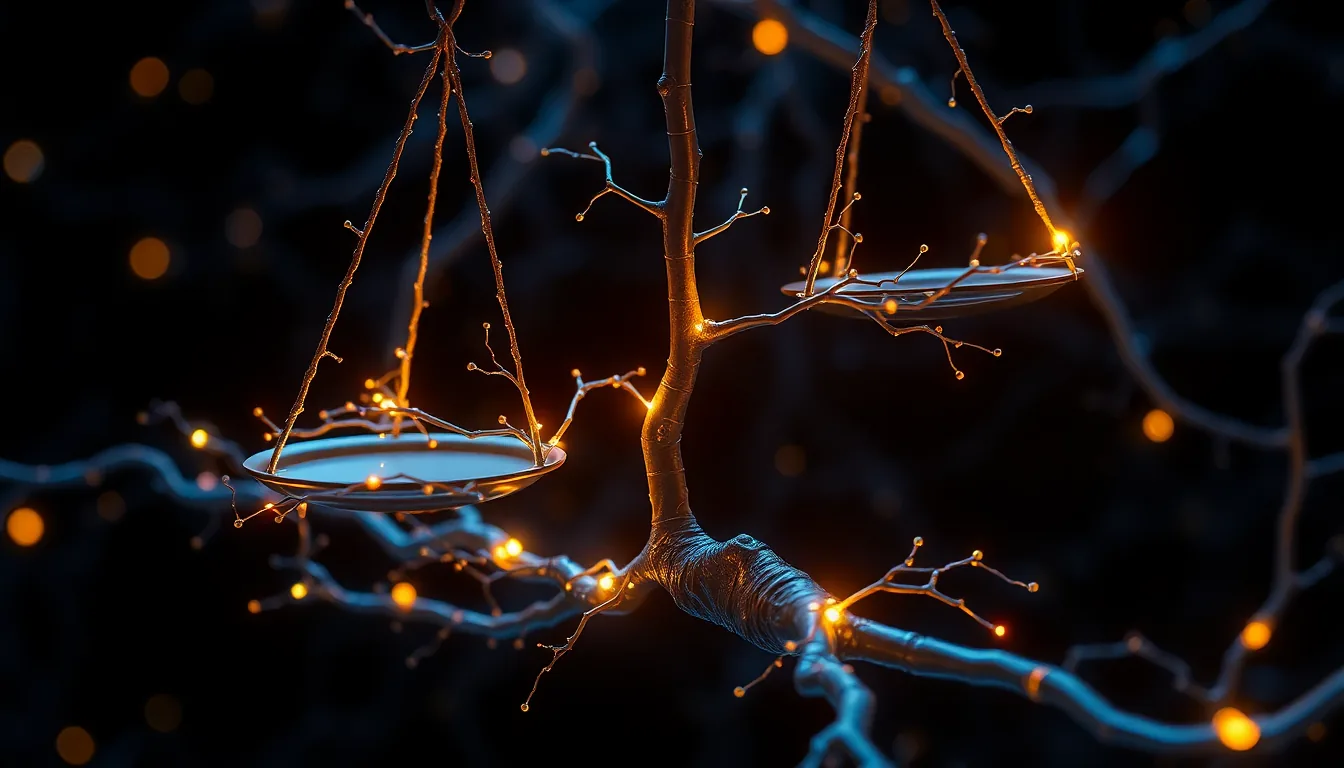
New research reveals that a targeted antioxidant therapy can help the brain compensate for a genetic deletion without repairing the underlying mutation itself. Scientists at the Fralin Biomedical Research Institute at VTC showed that N-acetyl cysteine (NAC) activates alternative gene networks, restoring neural connections and cognitive function in a mouse model of 22q11.2 deletion syndrome.
The Research
The study, published in Disease Models & Mechanisms on July 28, 2026, focused on 22q11.2 deletion syndrome, the second most common microdeletion in humans, affecting 1 in 2,000 to 4,000 births. It is a major genetic risk factor for schizophrenia and autism spectrum disorder.
Led by Anthony-Samuel LaMantia, the team identified mitochondrial oxidative stress as a key driver of abnormal dendritic growth and synaptic connectivity. They treated mice with NAC, an antioxidant that crosses the blood-brain barrier. The therapy improved mitochondrial health, restored dendritic arborization, and strengthened synaptic connections.
Critically, NAC did not restore the original gene expression disrupted by the deletion. Instead, it activated a different network of compensatory genes, enabling neurons to form functional circuits and improve performance on cognitive behavioral tasks. “Think of it as a detour around blocked roads,” LaMantia explained. “The therapy activates a different set of genes that helps neurons form functional brain circuits despite the genetic deletion.”
Why It Matters
This discovery challenges the assumption that treating genetic disorders requires correcting the actual genetic mutation. For conditions where direct gene editing remains difficult—like many microdeletion syndromes—this compensatory approach opens a new therapeutic avenue. The study demonstrates that targeting cellular mechanisms (oxidative stress) can activate backup gene networks, potentially applicable to other neurodevelopmental disorders.
What You Can Do
While NAC therapy is not yet approved for humans with 22q11.2 deletion, the research highlights the importance of mitochondrial health for brain function. You can support your own cognitive health with a balanced diet rich in antioxidants, regular exercise, and adequate sleep—all of which reduce oxidative stress and promote neural plasticity.
Source: Neuroscience News
Curious about your own brain? Take our free adaptive IQ test or try 306 brain training levels.