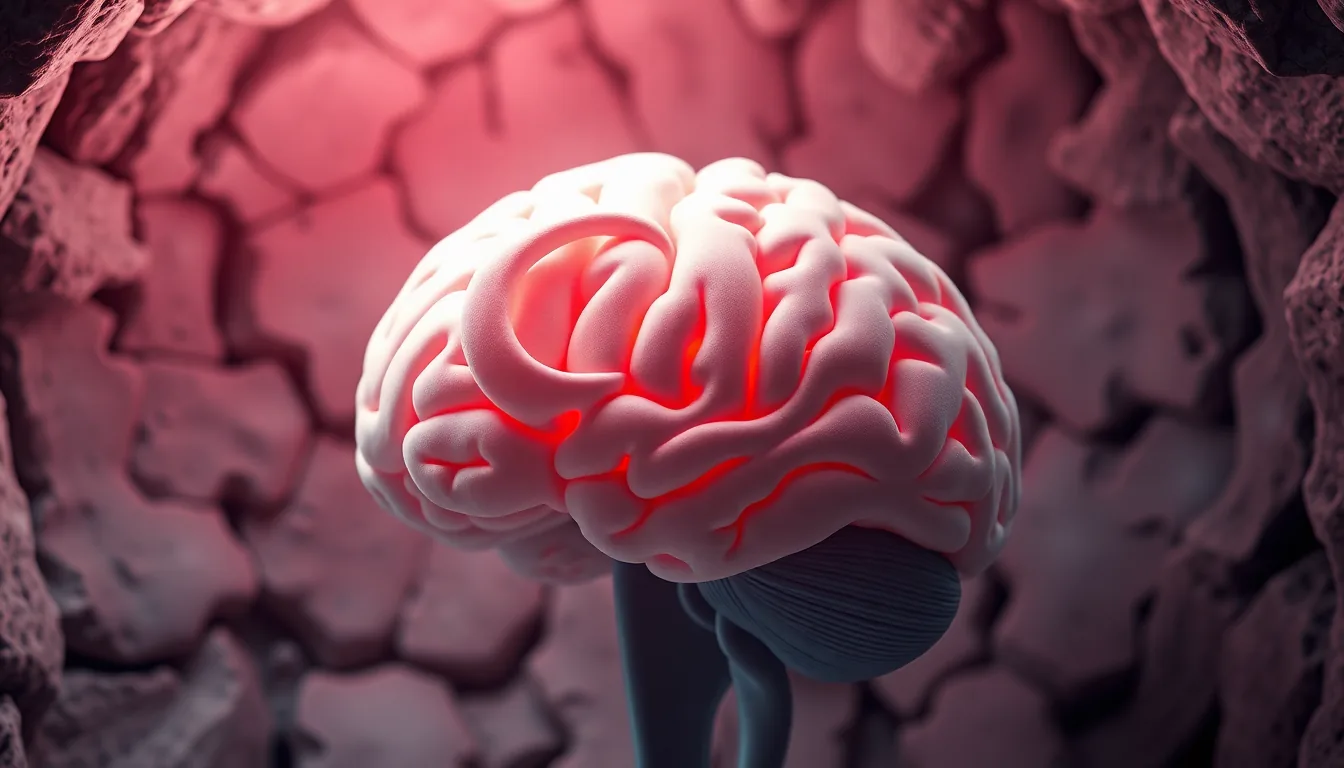
Your brain may be packed with hidden backup connections, waiting to turn new experiences into lasting memories. MIT neuroscientists have discovered that the adult brain contains millions of "silent synapses"—dormant connections that can be rapidly activated to form new memories without disrupting what you already know.
What the Research Found
Published in Nature on May 6, 2026, the study led by MIT graduate student Dimitra Vardalaki and senior author Mark Harnett revealed that roughly 30% of synapses in the adult mouse cortex are silent. These immature connections lack AMPA receptors, which are necessary for normal signal transmission, and instead rely only on NMDA receptors. Without AMPA receptors, these synapses remain electrically inactive under normal conditions—hence "silent." But when new learning occurs, they can quickly be activated, strengthening connections between relevant neurons.
The discovery was made using a technique called eMAP (epitope-preserving Magnified Analysis of the Proteome), which physically expands brain tissue to allow high-resolution imaging. The team noticed an abundance of tiny protrusions called filopodia on dendrites across multiple brain regions, including the visual cortex. These filopodia contained NMDA receptors but no AMPA receptors, a signature of silent synapses.
Why It Matters for Your Brain
This hidden reserve of silent synapses offers a compelling explanation for how the brain continues to learn new things throughout life without overwriting important long-term memories. Mature synapses are stable and resistant to change, preserving what you've already learned. Silent synapses provide a flexible pool that can be rapidly recruited when new information arrives, allowing for new memories to form without interference. This balance between stability and flexibility is crucial for lifelong learning and adaptation.
What You Can Do
While you can't directly control your silent synapses, you can encourage their activation by engaging in novel, challenging activities. Learning a new skill, such as a musical instrument or a language, forces your brain to create new connections. Regular mental stimulation, physical exercise, and adequate sleep also support neuroplasticity and may help your brain tap into its silent synapse reservoir.
Source: ScienceDaily Mind & Brain
Curious about your own brain? Take our free adaptive IQ test or try 306 brain training levels.